International Parcel Shipping Services
Mercury ships international parcels for life sciences clients, with global coverage, customs documentation, and proactive tracking from origin to delivery.
Parcel
BioPharma
Diagnostic Kits

Cross-Border Parcel Is Not Domestic Shipping at Greater Distance
Organizations that manage domestic parcel shipping well often discover that the same approach does not transfer to international movements. The carrier is different. The documentation requirements are different. The regulatory framework governing what the product is, how it must be labeled, and whether it requires an import permit varies by destination country and changes without announcement. A shipment that cleared smoothly last quarter may face a hold this quarter because a regulatory threshold shifted or a new import restriction was introduced.
For life sciences organizations shipping internationally, this is not an occasional edge case, it is the baseline condition. Biological specimens, investigational products, research materials, and pharmaceutical compounds each carry their own regulatory profile. That profile determines what documentation must accompany the shipment, which agencies need to be notified before it crosses the border, and what conditions must be met for the package to clear without a hold.
Mercury manages international parcel shipping as a compliance-first service. Every cross-border movement begins with an assessment of what the product is, where it is going, and what the destination country requires before the shipment can enter. Carrier selection, documentation preparation, and pickup coordination follow from that assessment, not the other way around.
Carrier Selection Across International Lanes
International parcel carrier selection involves a different set of variables than domestic routing. Transit time on an international lane is rarely a single carrier's published estimate, it is a function of the scheduled service, the origin and destination airport connectivity, the typical clearance time at the destination country's customs authority, and whether the carrier's network includes reliable last-mile delivery at the specific destination address.
For pharmaceutical shipments, the carrier's capability at the destination is as important as the speed of transit. A carrier that consistently clears pharmaceutical imports at a specific facility without unnecessary holds is worth more than a carrier that offers a faster published transit time but regularly generates customs examinations on life sciences cargo.
Mercury's carrier selection for international parcel movements draws on lane-specific performance data rather than published service level comparisons. For shipments moving to markets with complex import environments, controlled substance requirements, restricted biological material permits, or active regulatory enforcement on pharmaceutical imports, Mercury identifies the carrier and routing combination that minimizes clearance risk on that specific lane.
Import Documentation and Regulatory Compliance
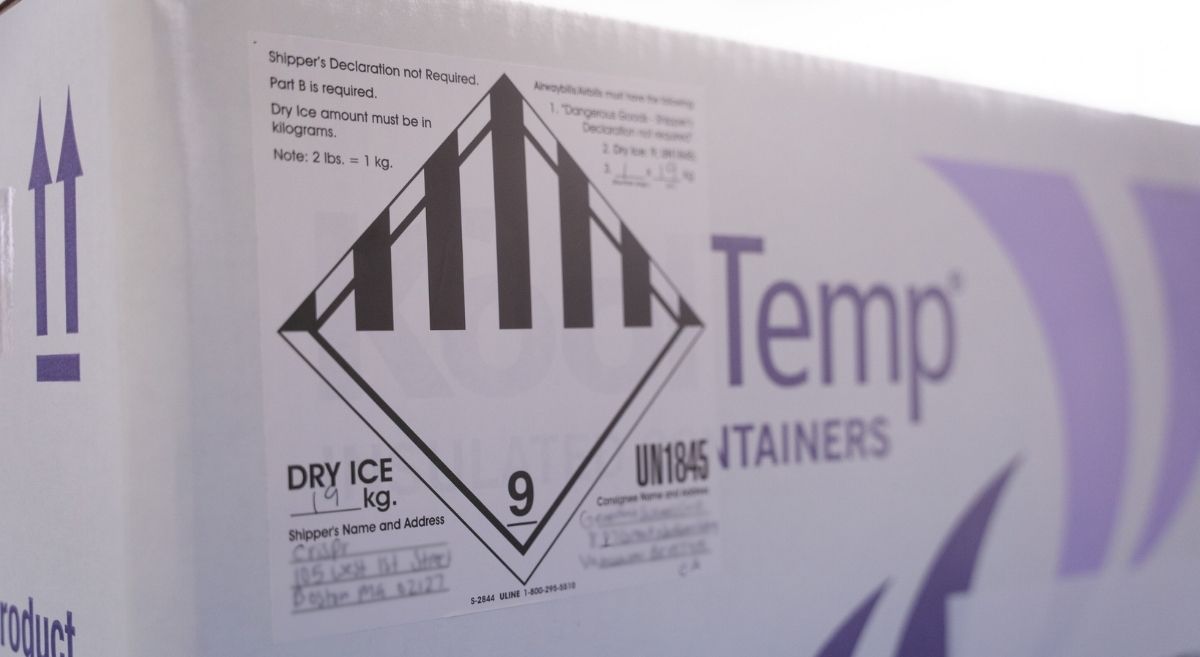
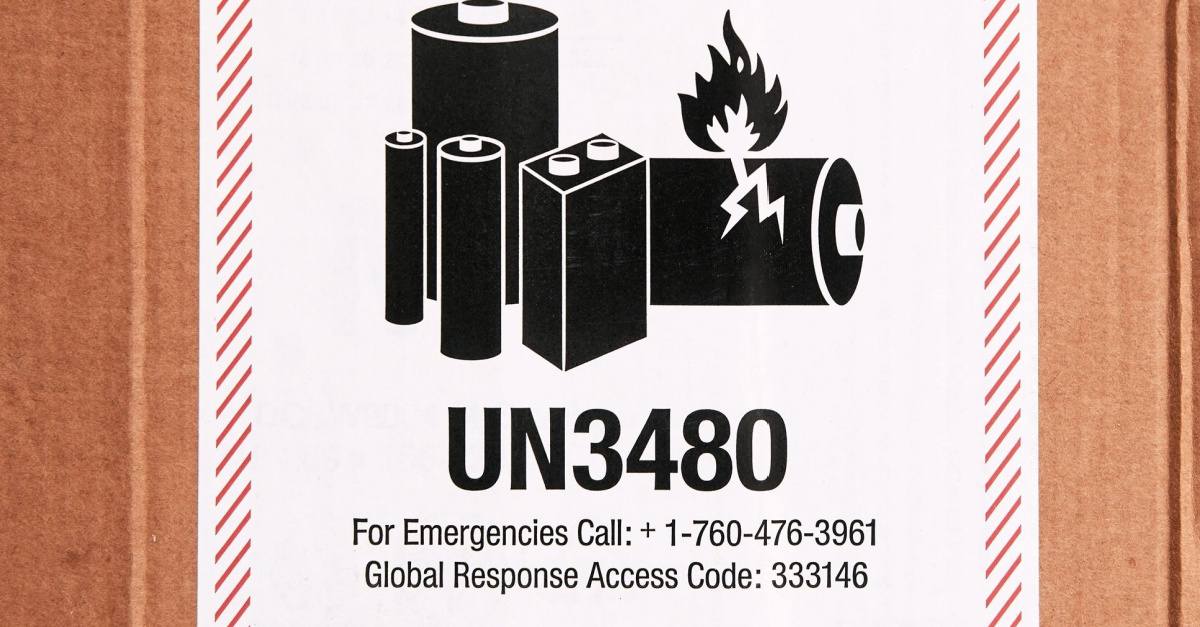
Every international parcel shipment of pharmaceutical or life sciences cargo requires a documentation package that goes beyond a commercial invoice and a packing list. Depending on the product and the destination country, that package may include an import permit, an FDA Prior Notice filing for biological materials entering the United States, a CITES permit for materials derived from regulated species, a DEA import authorization for controlled substances, a shipper's declaration for dangerous goods, or country-specific certificates of origin and health certificates.
Preparing this documentation correctly is not a matter of filling in a form. It requires knowing which documents apply to the specific product under the specific import regulations of the destination country, confirming that the product description and HS code classification are accurate and consistent across all documents, and ensuring that any pre-shipment notifications have been filed within the required timeframe before the shipment crosses the border.
Mercury prepares and reviews the full documentation package for every international parcel booking. HS code classification is confirmed before the shipment moves. Permit requirements are identified at booking, not discovered at clearance. This front-end preparation is what prevents the documentation holds that stop shipments at the border for days while the shipper reconstructs records under time pressure.
Temperature Control Over Longer Cross-Border Transits
An international parcel shipment takes longer than a domestic one, sometimes by a day, sometimes by several days. Every additional hour in transit is an additional hour of thermal exposure for temperature-sensitive cargo. The packaging that maintains a 2–8°C range for 48 hours of domestic transit may not maintain it for 72 hours of international routing that includes airport handling, customs examination, and last-mile delivery in a different climate.
Customs delays extend the thermal challenge further. A shipment held for examination at a destination country's import facility is held in a warehouse environment, not a temperature-controlled storage unit. The packaging must be capable of maintaining the required temperature range through not just the planned transit time but a reasonable buffer for the clearance process.
Mercury accounts for this when specifying packaging for international parcel movements. Transit profiles for international shipments are built around the full expected timeline, including a customs buffer, rather than the carrier's published transit time. For shipments where the temperature range is critical, Mercury provides the same monitoring capability on international lanes that applies domestically, with documented temperature data available from departure through delivery. Understanding the FDA's temperature monitoring requirements and how they intersect with international transit is the starting point for any organization moving regulated pharmaceutical products across borders.
Country-Specific Requirements and the Regulatory Landscape
The international regulatory environment for life sciences parcel shipping is not a single framework. It is a collection of overlapping national requirements that change at different rates and in different ways. The European Union's import requirements for pharmaceutical products differ from the United Kingdom's post-Brexit MHRA framework. Canada's CARM import system introduced new bond and account registration requirements that affected pharmaceutical importers in 2024. Brazil maintains one of the most complex pharmaceutical import regimes in the Western Hemisphere. Japan's import requirements for biological research materials require advanced coordination with the Ministry of Health before certain products can clear.
Each of these regulatory environments requires specific knowledge to navigate correctly. A documentation approach that works for a shipment entering Germany does not transfer without adjustment to a shipment entering Japan or Brazil. Mercury's team maintains current knowledge of the import requirements in the markets where life sciences clients most commonly ship, and identifies the country-specific requirements for less familiar destinations before the shipment departs rather than after it arrives and encounters a hold.
For organizations importing materials into the United States, the inbound requirements are equally specific. Research materials imported from China, biological specimens from any country, and pharmaceutical products from international manufacturers each enter under different regulatory pathways, with different documentation requirements and different FDA or USDA oversight obligations.
Exception Management Across Time Zones
International parcel exceptions are harder to resolve than domestic ones because the problem and the solution are often in different time zones. A shipment held at a customs facility in Singapore at 3 PM local time needs a response from someone in a position to provide documentation or make a decision at a time when most US-based teams are not at their desks. A carrier exception on a shipment departing Frankfurt needs to be managed by a team that is awake and able to act when the issue occurs, not 10 hours later when it surfaces in an email.
Mercury's 24/7 control tower covers international parcel shipments with the same real-time monitoring applied to domestic movements. Exceptions are identified and addressed when they occur, regardless of the time zone involved. The team has the carrier relationships and the documentation access to provide what a customs authority or carrier agent needs to resolve a hold without waiting for a business-hours response from the shipper.
For clinical trial organizations managing international kit distributions or specimen collections on a fixed visit schedule, this around-the-clock coverage is what separates a resolved exception from a missed patient visit.
Who Ships Internationally with Mercury
Mercury manages international parcel shipments for pharmaceutical manufacturers moving finished product to international distribution partners, biotech research organizations exchanging biological materials with collaborators and contract labs in other countries, contract research organizations distributing investigational product to international clinical sites, and life sciences companies importing raw materials, reference standards, and research reagents from suppliers worldwide.
The common requirement across all of these clients is the same: a shipment that crosses the border without a hold, arrives within its temperature specification, and carries documentation that satisfies the receiving facility's quality requirements and the destination country's import regulations. Mercury builds that outcome into the service from the point of booking, not through reactive problem-solving after a hold has already occurred.
Ship Internationally with Mercury
Tell us what you are moving and where it needs to go. Mercury's team handles carrier selection, documentation, and cross-border compliance from a single point of contact.