Clinical Trial Supply Management: A Complete Guide
General
BioPharma
Diagnostic Kits

Key takeaways
Clinical trial supply management spans forecasting, IMP packaging, depot distribution, cold chain, comparator sourcing, and reverse logistics.
A single break anywhere in that chain can delay a site activation or put patient safety at risk.
IMP packaging must follow GMP assembly along with protocol-specific blinding and labeling requirements.
Multi-country trials add customs, import permits, and comparator sourcing complexity that varies by market.
Decentralized and direct-to-patient models shift last-mile delivery and chain-of-custody requirements into the patient's home.
Coordinating packaging, depot placement, cold chain, customs, and reverse logistics through one partner reduces the gaps that come from managing separate vendors for each function.
Clinical trial supply management is the discipline of getting the right investigational product to the right site, in the right condition, at the right time. It spans forecasting, packaging, distribution, and reverse logistics across every phase of a trial.
A single misstep anywhere in that chain can delay a site activation, invalidate a shipment, or put patient safety at risk. That is why sponsors, CROs, and CMOs treat supply management as a core operational function rather than an afterthought.
What Clinical Trial Supply Management Covers
Supply management starts well before a shipment leaves a depot. Forecasting demand against enrollment timelines, protocol amendments, and site activation schedules determines how much investigational medicinal product (IMP) needs to be manufactured, packaged, and positioned in advance.
From there, the work breaks into a few connected functions.
IMP Packaging and Kitting
Investigational product has to be packaged, labeled, and often blinded according to the trial protocol before it can move. Mercury's guide to clinical trial kit building for IMP sponsors covers GMP assembly, EU CTR labeling, and blinded packaging in detail.
Depot and Distribution Network
Most global trials rely on a network of regional depots rather than shipping every unit from a single origin. Depot placement affects lead times, customs exposure, and how quickly a site can be resupplied after an enrollment surge.
Cold Chain and Temperature Control
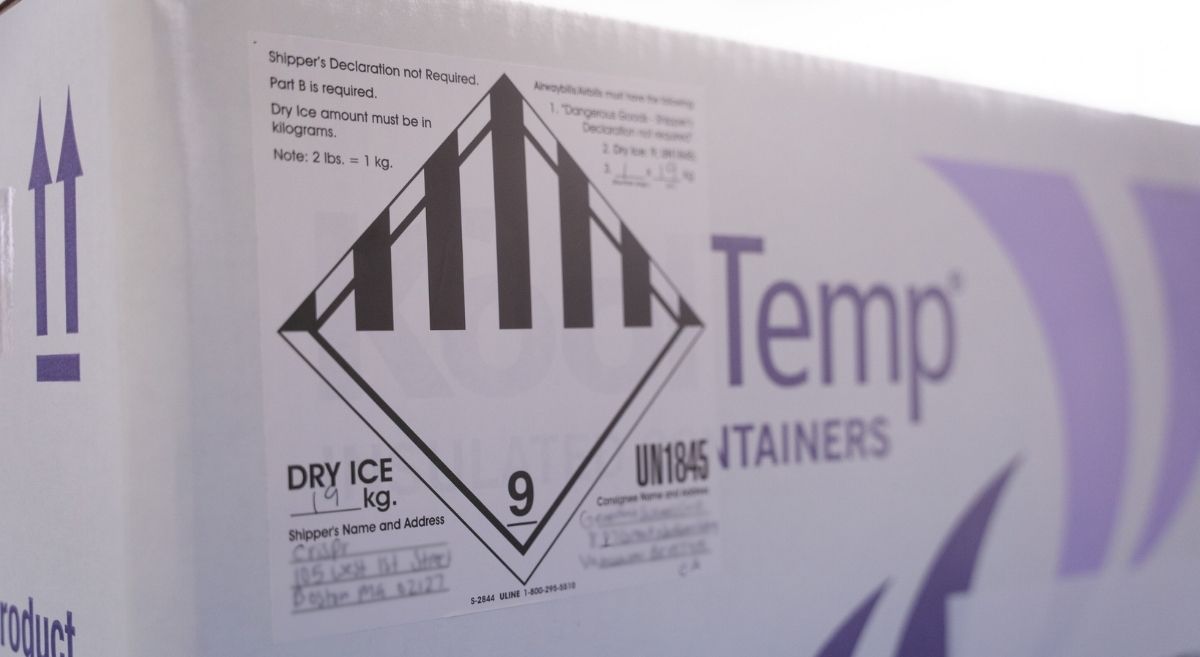
Many investigational products are temperature-sensitive, which means validated packaging, monitored transport, and documented handoffs at every stage. Mercury's end-to-end cold chain guide for clinical trials walks through compliance and real-time tracking requirements.
Comparator Sourcing
Trials that require an approved comparator drug or standard-of-care medication need a sourcing strategy separate from the sponsor's own IMP supply chain, often across multiple countries with different availability and import rules.
Direct-to-Patient and Decentralized Distribution
Decentralized and hybrid trial designs move supply directly to patients' homes instead of exclusively through investigator sites, which changes packaging, delivery windows, and chain-of-custody requirements. Mercury's DCT logistics guide covers home delivery logistics and kit shipping for these models.
Customs and Cross-Border Movement
Multi-country trials mean navigating import permits, customs classifications, and country-specific documentation for every shipment. Mercury's customs brokerage guide for CRO and CMO shipments breaks down the forms and approvals involved.
Reverse Logistics and Destruction
Unused, expired, or returned product has to be tracked, retrieved, and destroyed or reconciled according to the protocol and local regulations. Mercury's reverse logistics guide for clinical trial kits covers the cost and compliance side of this step.
Chain of Custody and Documentation
Every handoff, from manufacturer to depot to site to patient, needs a documented record. Regulators and auditors expect this trail to be complete and reconstructable on demand, not assembled after the fact.
Common Supply Chain Challenges in Clinical Trials
Protocol amendments can change dosing, packaging, or site counts mid-trial, which ripples through forecasts and existing inventory. Site-level compliance varies by country, and a documentation gap at one site can affect an entire shipment lane. Temperature excursions during transport remain one of the most common causes of product loss, particularly on longer international routes.
Choosing a Clinical Trial Supply Management Partner
The sponsors and CROs that manage this well tend to work with a single partner who can coordinate packaging, depot placement, cold chain, customs, and reverse logistics together, instead of stitching together separate vendors for each function.
Mercury's clinical trials logistics services team supports sponsors and CROs across each of these functions, from IMP handling through to site-level delivery and reverse logistics.
Start shipping today!
Start your shipment now — no login required. Fast, secure, and guided by experts.