Key takeaways
Reverse logistics for clinical trial kits recovers high-value assets like cryogenic shippers and data loggers, directly reducing procurement costs.
Reusing validated clinical trial kits cuts per-shipment expenses and supports pharma ESG commitments.
Effective reverse logistics requires upfront protocol planning, chain-of-custody documentation, and regulatory compliance across borders.
A specialized logistics partner streamlines clinical trial kit returns, revalidation, and redeployment.
Reverse Logistics for Clinical Trial Kits: Reuse Strategies to Cut Cost
Understanding Reverse Logistics in Clinical Research
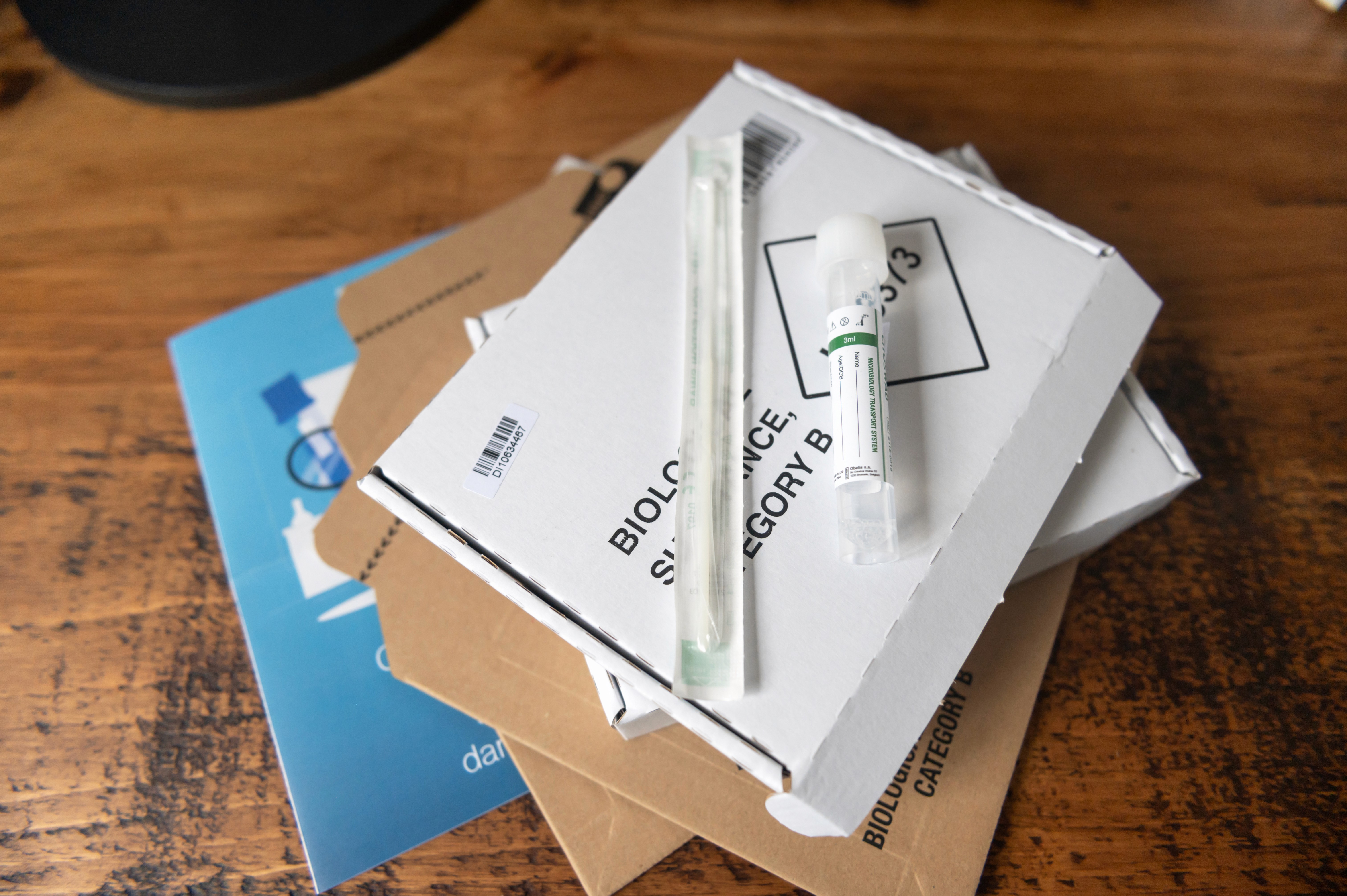
Reverse logistics moves clinical trial kits and cold chain supplies from trial sites back to the sponsor or CRO for reuse, revalidation, or disposal. In clinical research, this includes retrieving temperature-controlled packaging, reusable medical containers, data loggers, and investigational drug kits from domestic and international sites.
When executed correctly, reverse logistics for clinical trial kits reduces waste, lowers procurement costs, and supports compliance with IATA, DOT, and regional import regulations.
Why Reuse Matters in Clinical Trials
Clinical trial kits include high-value components — cryogenic shippers, electronic data loggers, and medical-grade insulated packaging. Discarding these after a single use increases procurement costs and environmental burden.
Reuse programs allow sponsors and CROs to lower cost per shipment, shorten lead times, and advance sustainability targets. For pharmaceutical companies under ESG pressure, clinical trial kit reuse is one of the highest-impact operational changes available.
Common Items Reused in Reverse Logistics
The following items are routinely cleaned, revalidated, and redeployed:
Phase-change material containers and dry ice shippers
Electronic data loggers and temperature monitoring devices
Insulated packaging materials
Reusable labels, specimen tubes, and sample racks
Standardizing reusable components across trial sites improves pricing leverage and simplifies site training.
Selecting the right clinical logistics packaging determines both reuse potential and regulatory compliance. Components must meet validated performance standards before redeployment — regardless of how many cycles they have completed.
Key Challenges in Clinical Trial Kit Returns
Reverse logistics introduces operational complexity that forward shipping does not. Common challenges include:
Coordinating pickups from remote or international trial sites
Maintaining chain-of-custody for regulated or biohazardous contents
Navigating customs and import documentation for cross-border returns
Ensuring temperature compliance during return transport for sensitive materials
Addressing these challenges requires advance planning, trained site staff, and a logistics partner experienced in clinical supply chain operations.
Build Reverse Logistics Into the Trial Protocol from Day One
Reverse logistics performs best when it is part of the clinical trial protocol from the start — not an afterthought. Define which kit components qualify for reuse, how they are labeled, tracked, and collected before the trial launches.
Include return instructions and pre-labeled packaging in every outbound shipment. Document return procedures in site manuals and SOPs. Early-stage planning prevents site confusion and improves return compliance rates across global locations.
Technology for Clinical Trial Kit Tracking
Barcoding and RFID tracking give sponsors real-time visibility into reusable asset location, usage frequency, and return status. Integrating this data into your clinical trial management system (CTMS) reduces losses and improves redeployment planning.
Real-time dashboards surface return patterns that inform future logistics design — identifying which sites require more support and which kit configurations yield the best reuse rates.
Temperature-Sensitive Returns and Cold Chain Compliance
Clinical trial kit returns often involve temperature-sensitive contents. Bio-specimens, reagents, and validated shippers all require proper handling during reverse transport.
Use validated return packaging and include re-icing or re-conditioning instructions where needed. Partner with a provider that offers temperature-monitored reverse transport and delivers compliance documentation for each return shipment.
Regulatory Requirements for Reverse Clinical Shipments
Reverse shipments involving biological substances must comply with IATA Dangerous Goods Regulations, DOT 49 CFR, and applicable local import rules. Required documentation includes:
Original shipping manifests
Updated chain-of-custody records
Import permits for cross-border returns
Non-compliance leads to shipment refusal, regulatory penalties, or specimen loss. Work with logistics providers who maintain current dangerous goods certifications and understand cross-border clinical logistics requirements.
Cost Savings Through Standardization
Standardizing reusable kit components across trial sites creates pricing leverage and simplifies procurement. Select packaging validated across temperature ranges and trial phases to maximize reuse potential.
Bulk procurement combined with a structured reuse program reduces cost per shipment and eliminates the need for site-specific packaging training.
Environmental Benefits of Clinical Trial Kit Reuse
Reusable cold chain packaging in clinical trials reduces procurement costs and lowers carbon emissions from new material production. For sponsors tracking Scope 3 emissions, structured reuse programs deliver measurable, documentable contributions toward sustainability goals — making clinical supply chain optimization one of the highest-impact ESG levers available.
How Mercury Supports Reverse Logistics for Clinical Trial Kits
Mercury manages reverse logistics for domestic and international clinical trials, handling every step from site pickup to asset redeployment. Mercury's clinical logistics services include:
Coordinating returns from domestic and international trial sites
Providing pre-labeled return kits and scheduled pickups
Monitoring cold chain conditions and delivering compliance documentation
Cleaning, revalidating, and redeploying returned clinical trial kits
Mercury works directly with CRO and LabOps teams to reduce return turnaround times and lower overall shipping costs.
Let Mercury Help You Focus on Research
Managing clinical trial kit returns requires expertise, regulatory knowledge, and operational infrastructure. Mercury removes this burden from your internal teams — handling scheduling, documentation, temperature monitoring, and redeployment at every stage.
Your teams stay focused on clinical research. Mercury handles the rest.
Ready to build a reverse logistics program that reduces cost and supports compliance? Contact Mercury to design a clinical trial kit return strategy for your next study.
Start shipping today!
Start your shipment now — no login required. Fast, secure, and guided by experts.