Medical Supply Logistics, How It Works

Key takeaways
Medical supply logistics moves devices and supplies from the manufacturer through importers, distributors and warehouses to the point of care, with a traceable record at each handoff.
A wholesale distributor that only stores and ships does not register with FDA, but relabeling or repacking makes a provider a registrant and a manufacturer under the QMSR.
Storage and shipping conditions come from each device's labeling, and the UDI on that label is what lets a warehouse capture lot, serial and expiry data with a scan.
For devices under an FDA tracking order, distributors must pass identifiers to the manufacturer and produce records within fixed working-day windows.
Shipping overseas means settling the US export side first (classification, export filing, any FDA export certificate) and then meeting the destination's own import rules.
Choose a logistics partner by the lot-level records and role clarity it can show, not by a general description of its services.
Medical supply logistics moves devices and supplies from the manufacturer through importers, distributors and warehouses to the hospital, clinic or patient. At every handoff it keeps a record that lets the manufacturer find a specific lot or serial number again. The physical work is storage, picking and transport. The rules that shape it come mostly from Food and Drug Administration (FDA) device regulations, plus export and customs rules at the border.
The scope here is US device and supply flows, not drugs. Mercury's page on medical device logistics services describes the service side.
What is medical logistics?
Medical logistics is the planning, storage, transport and record-keeping that gets medical products to the point of care in usable condition. It also keeps them traceable afterward.
Device rules reach further than the word device suggests. FDA's definition of a medical device includes instruments, implants, machines and in vitro reagents, along with their components and accessories. Gloves, test kits, catheters, infusion pumps and diagnostic analyzers can all fall under device rules.
Pharmaceuticals are the main exception, because a drug moves under drug rules, including the Drug Supply Chain Security Act. The wider picture, with specimens and clinical materials, is in our overview of healthcare and life science logistics.
How medical supplies move from manufacturer to patient
Medical supplies can pass through several hands before use, and each one carries different FDA duties. FDA's table of who must register and list shows where a business sits. It lists manufacturers, initial importers and relabelers or repackagers as registrants. A wholesale distributor that does not manufacture, repackage, process or relabel devices does not register.
Stage | Typical party | Registers with FDA? | What the logistics step must preserve |
|---|---|---|---|
Make and label | Manufacturer or labeler | Yes | Unique device identifier, expiration date, storage and handling instructions on the label |
Bring into the US | Initial importer | Yes | Entry data that matches the manufacturer's registration and listing |
Hold and distribute | Wholesale distributor or warehouse that does not relabel | No | Lot, serial and expiry data at receipt and shipment, storage per labeling |
Relabel or repack | Relabeler or repackager | Yes | New labeling, with its own identifier where required |
Use | Hospital, clinic or patient at home | Not listed as a registrant | Receipt record, and patient data for tracked devices |
Return | Any party back to the manufacturer | Depends on the role | Link between the returned unit and its original shipment |
A warehouse can move into the fourth row without noticing. The Quality Management System Regulation (QMSR) took effect on February 2, 2026. It defines a manufacturer to include those who relabel or repack.
A warehouse that only stores and ships stays a distributor. Once it repacks or changes labels, it takes on duties that need their own review with the manufacturer's regulatory team. Kit assembly deserves the same check, because FDA counts a convenience kit assembler as a possible labeler for identifier purposes.
What are the key components of medical device logistics?
Seven working parts make up medical device logistics, and each traces back to a rule or a label instruction:
Identification. Device labels must carry a unique device identifier (UDI) unless an exception applies. It names the model and, where printed, the lot, serial number and expiry.
Storage to the label. Storage and handling limits come from the manufacturer's labeling, not from a general warehouse standard.
Lot and expiry control. Stock is received, picked and shipped by lot and expiry date, so expired product is held and short-dated stock can leave first.
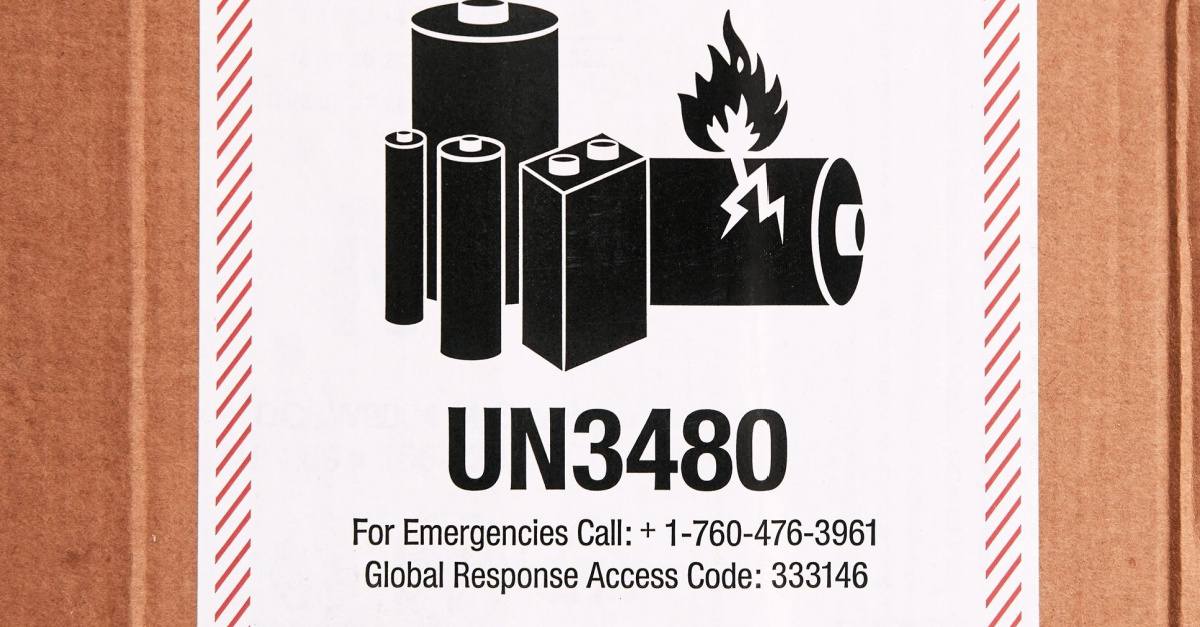
Transport matched to the item. Size, fragility, temperature range and hazards such as batteries or dry ice decide the mode and packaging.
Distribution records. Each shipment can be traced to the customer by UDI or lot, which is what a recall depends on.
Tracking where FDA orders it. For certain devices, FDA requires tracking through the distribution chain down to the patient.
Cross-border paperwork. Export filings, FDA export certificates and import entry data apply when supplies leave or enter the US.
What a warehouse for medical supplies needs
Storage conditions taken from each product's labeling come first, then a UDI scan at receipt and shipment, then lot and expiry control. Under the QMSR text in the Code of Federal Regulations, manufacturers must examine labeling for accuracy before release or storage. The items named include the UDI, expiration date, storage instructions and handling instructions. A warehouse for medical supplies works from that labeling, so the range printed on the label sets the storage condition.
The UDI makes lot control practical. FDA's UDI basics page splits it into a device identifier for the labeler and model, and a production identifier. When printed, the production identifier can carry the lot or batch, serial number, expiration date and manufacturing date. Labels show it in plain text and as a barcode or other machine-readable form, so one scan captures lot and expiry.
FDA's public database of device identifiers holds only the device identifier, not lot or serial numbers. That history lives in the warehouse's own system. The QMSR also requires the manufacturer to record the UDI for each device or batch. A third-party logistics (3PL) warehouse usually supplies that data, so the contract should name the fields it captures and how fast it returns them.
Tracked devices put duties on distributors directly. Under the device tracking rule, a distributor that acquires a tracked device must promptly give the manufacturer its UDI, lot, model or serial number. A multiple distributor places a life-supporting device with one patient after another, as a rental company can. It must provide records within 5 working days of a manufacturer's request or 10 working days of FDA's.
The device types under tracking orders are listed in FDA guidance, linked from its medical device tracking page.
Two physical controls follow from these duties. Returned, damaged, recalled and expired stock goes into a separate, marked quarantine area until the manufacturer decides its disposition. Picking by earliest expiry first is a common warehouse practice rather than an FDA rule, but it keeps short-dated stock from expiring on the shelf.
How do I ship medical supplies?
Match the mode to the item's size, temperature range, urgency and hazards, and keep the labeling and lot data intact on the way. Much of the logistics medical supplies need is ordinary transport work done with tighter records. The differences show up in packaging, temperature and who receives the goods.
Shipment profile | Mode that usually fits | What to confirm before booking |
|---|---|---|
Urgent case, a few boxes, local or regional | Same-day courier | Named receiver and delivery point inside the facility |
Routine replenishment in cartons | Parcel or express network | Packaging that keeps the labeling readable and the sterile barrier intact |
Pallets of consumables | Less-than-truckload (LTL) or full truckload freight | Freight class, dock access and appointment times |
Time-critical or long distance | Air freight | Battery and dry ice acceptance rules for the airline |
Large equipment that needs placement | White glove delivery | Site survey, route through the building and who signs for acceptance |
Every row comes back to three checks: the receiving point, the packaging and the hazards. Hospital and pharmacy deliveries add timing and handoff demands, described on our page for healthcare shipping to hospitals and clinics. Devices with lithium batteries need their own review, covered in our post on lithium battery shipping rules. For crating and site moves of larger equipment, see how to ship medical equipment safely.
Temperature limits come from the labeling, as in storage. If the label gives a range, the shipping method has to hold it for the planned transit time plus a margin for delay. The proof is a temperature record from pickup to delivery.
How to ship medical supplies overseas?
Settle the US export side first, then meet the destination country's import rules, which are separate. A device that is legal to sell in the US is not automatically authorized abroad. Work through these steps before the goods leave:
Classify each item. Assign the Schedule B or tariff classification for every line, because export filings and customs entries use it.
Decide whether electronic export information is due. Under the Foreign Trade Regulations, a filing is generally not required for goods valued at $2,500 or less per Schedule B number. Exceptions apply, and our electronic export information (EEI) filing guide covers when it is due.
Get proof of US status if the buyer asks. FDA's export page for medical devices notes that foreign customers and governments often ask for it. FDA issues four types of export certificate, including the Certificate to Foreign Government, as PDFs since January 2, 2024. The fee is $175 for the first certificate and $85 for each later one in the same request.
Keep export records for devices that can't be sold in the US. These records show the product meets the foreign buyer's specifications and does not conflict with the importing country's laws. They also show it's labeled for export on the shipping package and not sold in the US.
Prepare the commercial documents. The commercial invoice and packing list should match the labels, lot numbers and values exactly.
Confirm the destination importer. Someone in the destination country acts as importer of record. Confirm with that party which local device authorization the product needs.
Request certificates early, because FDA reviews each request before it issues anything.
Importing medical supplies into the US
Imports into the US must meet both Customs and Border Protection (CBP) and FDA requirements. FDA's import reviewers compare the declared manufacturer and product with its registration and listing database. They also check premarket submission numbers. Products that do not meet FDA requirements may be detained.
FDA's page on importing devices into the US adds that it does not recognize other countries' authorizations. The initial importer must register, report adverse events and corrections or removals, and track devices where required. The entry record map is in our post on medical device shipping rules.
Returns, recalls and the records they depend on
A recall is only as fast as the distribution records behind it. FDA's recalls page for devices separates three actions, with the recall as the main one. A market withdrawal covers a minor or no violation, and a stock recovery covers product that never left the manufacturer's control. Manufacturers and importers must report a correction or removal made to reduce a risk to health, or to remedy a violation that may present one.
The logistics side is the same in each case. Find every customer that received the affected lots, collect the units and keep them in quarantine. Return them with a record linking each unit to its original shipment.
Our medical device recall logistics guide walks through a recall step by step. Routine returns, repairs and expired stock are covered in our post on reverse logistics in healthcare.
How to choose a medical logistics partner?
Judge a partner by what it can show against the duties your products carry, not by a general description of its services. Healthcare logistics solutions differ mostly in record-keeping, labeling roles and border work. Ask these questions and request a sample record for each:
Question to ask | Why it matters |
|---|---|
Will you relabel, repack or build kits for us? | Relabeling or repacking makes the provider a registrant and a manufacturer under the QMSR |
Which fields do you scan at receipt and shipment: UDI, lot, serial, expiry? | The manufacturer must record the UDI per device or batch, and recalls depend on lot data |
How fast can you produce distribution records for one lot? | Tracked devices have fixed response times of 5 working days to the manufacturer and 10 to FDA |
How do you set and monitor storage conditions? | Conditions must follow each product's labeled storage instructions |
Where do returns, damaged and recalled stock go? | Quarantine keeps them out of picking until the manufacturer decides |
Who files export information, and who is importer of record? | Cross-border filings and FDA entry data have named responsible parties |
Can you accept batteries, dry ice or other hazards? | Hazardous contents add carrier and packaging rules |
Compare the answers side by side, with the sample records attached. A provider that describes its process well but can't produce a lot-level record in a test request leaves the gap with you. The same questions apply to the medical device logistics Mercury offers.
Start with your own record map
Before choosing modes or providers, map each handoff in the stage table to the identifiers scanned and the party that keeps the record. Then check whether anyone in the chain relabels or kits, and whether any of your devices are under a tracking order. Last, check whether you export devices that can't be sold in the US. Mercury's warehousing and fulfillment service offers storage suited to medical devices, tracks shipped units by serial number and runs return authorizations from its warehouses.