
What You Need To Know About EEI Authorization Filings
Electronic Export Information (EEI), previously known as the Shipper’s Export Declaration, is an online/electronic declaration of merchandise leaving the U.S. for export to another country. EEI is required when the value of the commodity classified under each individual Schedule B is over $2,500 or if a validated export license is required. Electronic Export Information (EEI) is a key part of the U.S. government's efforts to improve the visibility and control of exports, and to ensure compliance with various trade regulations.
Failing to properly file an EEI can result in significant delays or even penalties for the business involved. However, by understanding their responsibilities and following proper procedures, businesses can successfully navigate the EEI process and ensure smooth exports.
The EEI serves as a record of the product being exported and its accompanying details, like commodity classification, value, destination, and item descriptions. It's ultimately up to the exporter to accurately complete the EEI, but it's filed through the Automated Commercial Environment (ACE) system with U.S. Customs and Border Protection upon shipment.
How to File EEI?
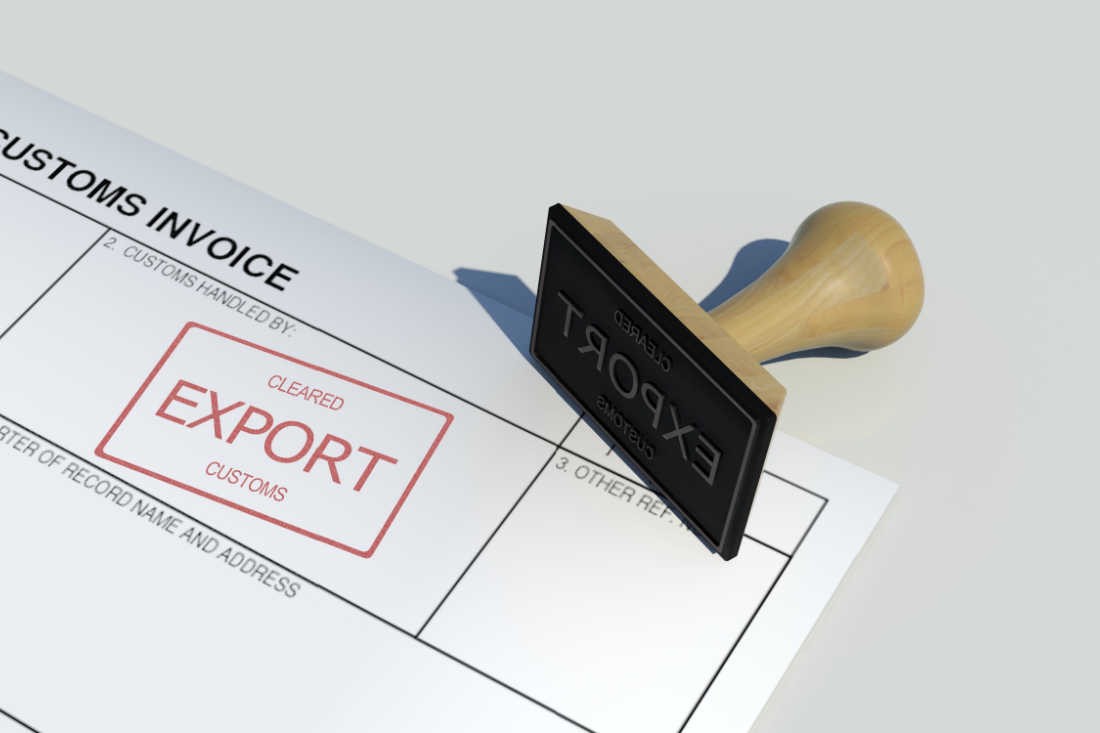
The process of filing EEI involves several steps, starting with registration with the Automated Commercial Environment (ACE) system, which is the primary portal for submitting EEI to the U.S. Customs and Border Protection (CBP).
Once registered, you'll need to create an EEI using the ACE interface, providing detailed information about the commodity being exported, including commodity classification, value, destination, and item descriptions. The completed EEI is then submitted electronically to CBP through ACE, and an Internal Transaction Number (ITN) is issued as proof of filing.
What Are the Exemptions for EEI?
While most exports require EEI, there are some exemptions based on the nature of the shipment or destination country. For instance, shipments of low-value goods or to certain countries that have free trade agreements with the U.S. may not require EEI. It's important to review the rules and regulations for exemptions carefully to determine whether you're eligible.
EEI filings are generally not required for shipments from the U.S. to Canada unless the items need a special export license, fall under International Traffic in Arms Regulations (ITAR) regulations, are rough diamonds, or the shipment is going through Canada to reach another country.
Mercury’s Services
Mercury can help you with all customs paperwork, including EEI filings and ATA carnet. Contact us today, we will respond in minutes.
source: www.trade.gov
Start shipping today!
Start your shipment now — no login required. Fast, secure, and guided by experts.
From our glossary & FAQ

What Is a Pro Forma Invoice?
Learn what a pro forma invoice is, what it includes, and how it supports the sales process. Discover how to create a proforma invoice for smooth transactions.
Read more

What Is an Air Waybill (AWB)?
An air waybill, or consignment note, is a contract among the shipper, airline, and recipient, acting as a cargo receipt and outlining the transportation terms.
Read more
DDP vs. DAP Incoterms
DDU (Delivered Duty Unpaid) and DDP (Delivered Duty Paid) are international trade terms that indicate whether the seller or the buyer is responsible for paying customs duties and taxes.
Read more

Holiday Shipping Deadlines for Life Science Shippers
Holiday shipping deadlines, carrier closures and cold chain tips to keep critical shipments of samples, kits and biologics on schedule at year end.
Read more

Pharma Cold Chain Under Pressure
Pharma cold chain demand is rising while skilled labor and lane capacity stay tight. See what is driving the strain and how shippers can respond.
Read more

Emergency Medical Courier for Time-Sensitive Shipments
Mercury's emergency medical courier service moves surgical implants, specimens, and urgent pharma shipments on tight deadlines.