
What Is Cold Chain Shipping?
Cold chain shipping is the transportation of goods that must stay within a defined temperature range throughout the entire journey. A single excursion outside that range can render the contents unusable, a failed vaccine batch, a degraded biological specimen, or a destroyed clinical trial sample.
The term "cold chain" describes the unbroken sequence of temperature-controlled steps from the moment a product leaves its origin to the moment it reaches its destination. Every link in that chain, packaging, carrier, transit time, customs clearance, must maintain the required conditions without interruption.
Who uses cold chain shipping?
Cold chain logistics is most common in pharmaceuticals, healthcare and life sciences, biotechnology, and food and beverage. Within these sectors, the most frequently shipped products include vaccines and biologics, clinical trial materials, blood and tissue specimens, cell and gene therapies, diagnostic reagents, and temperature-sensitive drugs.
The four standard temperature ranges
Cold chain shipments are classified by one of four temperature profiles.
Cryogenic (-150°C and below) is required for cell therapies, gene therapies, and certain biologics that must be maintained in liquid nitrogen or dry vapor. These shipments require specialized cryogenic containers and scheduled dry ice replenishment throughout transit.
Frozen (-20°C to -80°C) covers deep-frozen biologics, enzymes, and diagnostic kits. Dry ice is the most common coolant at this range because it is inexpensive, widely available, and can be replenished during transit. For guidance on dry ice quantities and labeling requirements, see Dry Ice Packaging and Labeling Instructions.
Refrigerated (2°C to 8°C) is the standard range for most pharmaceuticals, including insulin, most vaccines, and many clinical samples. Phase change materials (PCMs) are the preferred cooling method because they maintain a precise temperature range in both directions, preventing both overheating and freezing. Wet ice is sometimes used but carries a risk of product damage as it turns to liquid.
Controlled room temperature (15°C to 25°C) applies to products that must not freeze and must not overheat. This range is common for ambient pharmaceuticals and certain diagnostic materials.
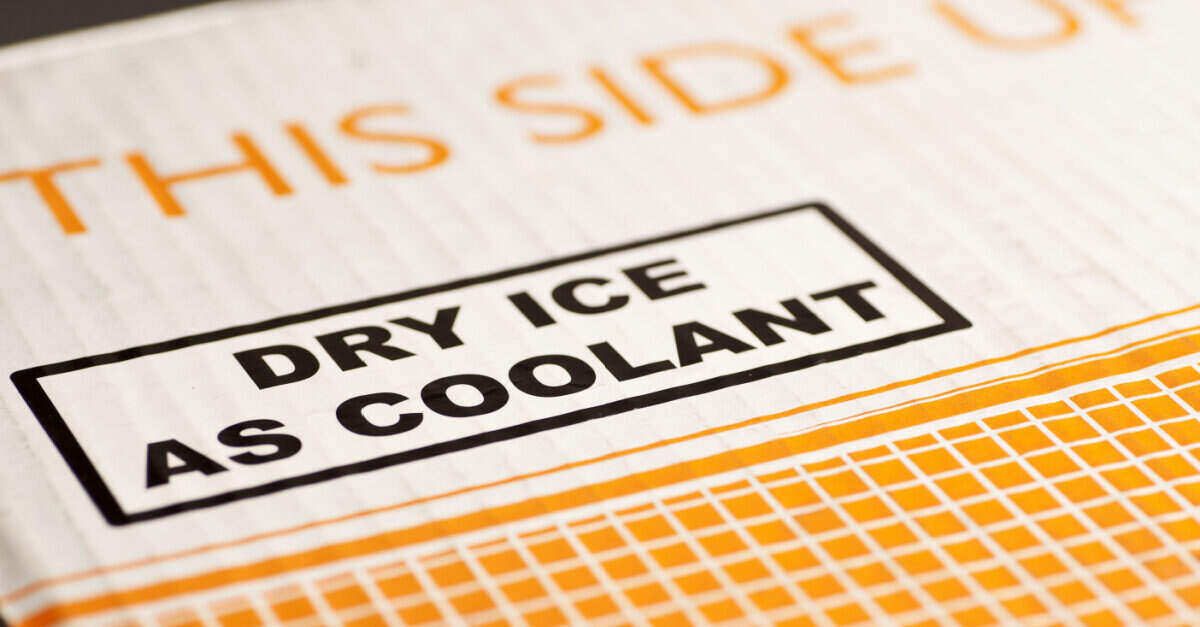
The key components of a cold chain shipment
Validated packaging is the container system, thermal shipper, coolant, and insulation, that has been tested to maintain temperature for a defined duration under defined conditions. A system validated for a 24-hour domestic lane may not perform adequately on a 72-hour international route with a customs delay.
Temperature monitoring provides the continuous record that Good Distribution Practice (GDP) guidelines and most pharmaceutical quality systems require. Calibrated data loggers or wireless sensors generate documentation that must cover the full transit period from pickup through delivery. Without an unbroken record, a shipment cannot be fully qualified on arrival.
Chain-of-custody documentation records every handoff from shipper to carrier to receiver, linking each transfer to a temperature log and shipment record. For regulated pharmaceutical and clinical products, this documentation is not optional.
Route planning accounts for transit time, coolant replenishment availability, customs clearance duration, and seasonal temperature exposure at each leg of the journey.
What causes temperature excursions
Excursions occur most often when a shipment is left on a loading dock in summer heat, delayed at customs beyond the packaging's validated duration, or handled by a carrier without cold chain experience. Once an excursion is documented, the product must typically be quarantined pending disposition review.
Packaging failures occur when the wrong system is selected for the lane, when coolant is not pre-conditioned correctly, or when the shipper underestimates transit time. Dry ice sublimates at approximately 5 to 10 pounds per 24 hours depending on packaging and ambient temperature -- a calculation that must account for possible delays, not just scheduled transit time.
Documentation gaps create compliance exposure even when the product arrives in acceptable condition. A missing temperature log or incomplete chain-of-custody record may be treated as equivalent to a documented excursion by a quality team or regulatory authority.

Cold chain vs. standard shipping
Standard shipping treats every package the same way. Cold chain shipping treats each shipment according to its specific temperature requirements, product classification, regulatory status, and transit risk profile. The difference is not only equipment, but it is also process, expertise, and accountability at every step.
For organizations shipping pharmaceuticals, biologics, or clinical materials, cold chain is not a premium option. It is the minimum standard the product requires.
For information on Mercury's cold chain shipping services for life sciences and pharmaceutical companies, visit Cold Chain Logistics for Life Sciences.
Start shipping today!
Start your shipment now — no login required. Fast, secure, and guided by experts.
From our glossary & FAQ

What Is a Pro Forma Invoice?
Learn what a pro forma invoice is, what it includes, and how it supports the sales process. Discover how to create a proforma invoice for smooth transactions.
Read more

What Is an Air Waybill (AWB)?
An air waybill, or consignment note, is a contract among the shipper, airline, and recipient, acting as a cargo receipt and outlining the transportation terms.
Read more

DDP vs. DAP Incoterms
DDU (Delivered Duty Unpaid) and DDP (Delivered Duty Paid) are international trade terms that indicate whether the seller or the buyer is responsible for paying customs duties and taxes.
Read more

Reverse Logistics in Life Sciences
See how reverse logistics streamlines returns, repairs and recalls for healthcare, life science and medical device companies.
Read more
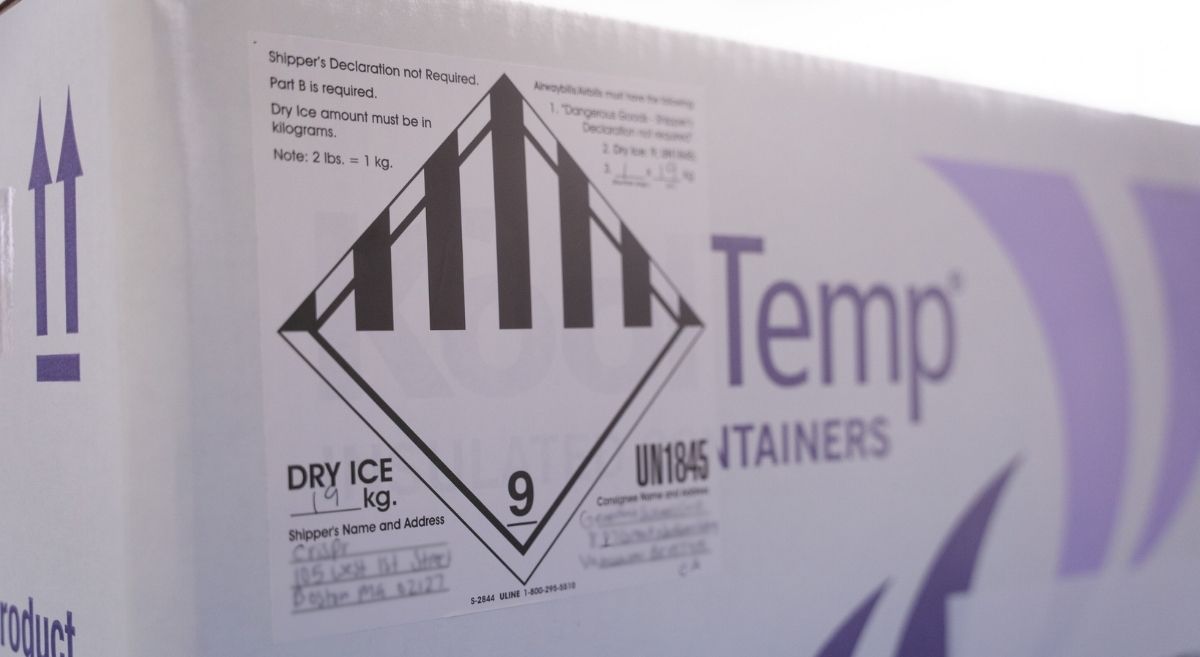
IATA Biological Packaging Guide: PI650, PI620, PI954
Understand PI650, PI620, and PI954 rules for shipping UN3373, Category A infectious substances, and dry ice under the 2026 IATA DGR.
Read more
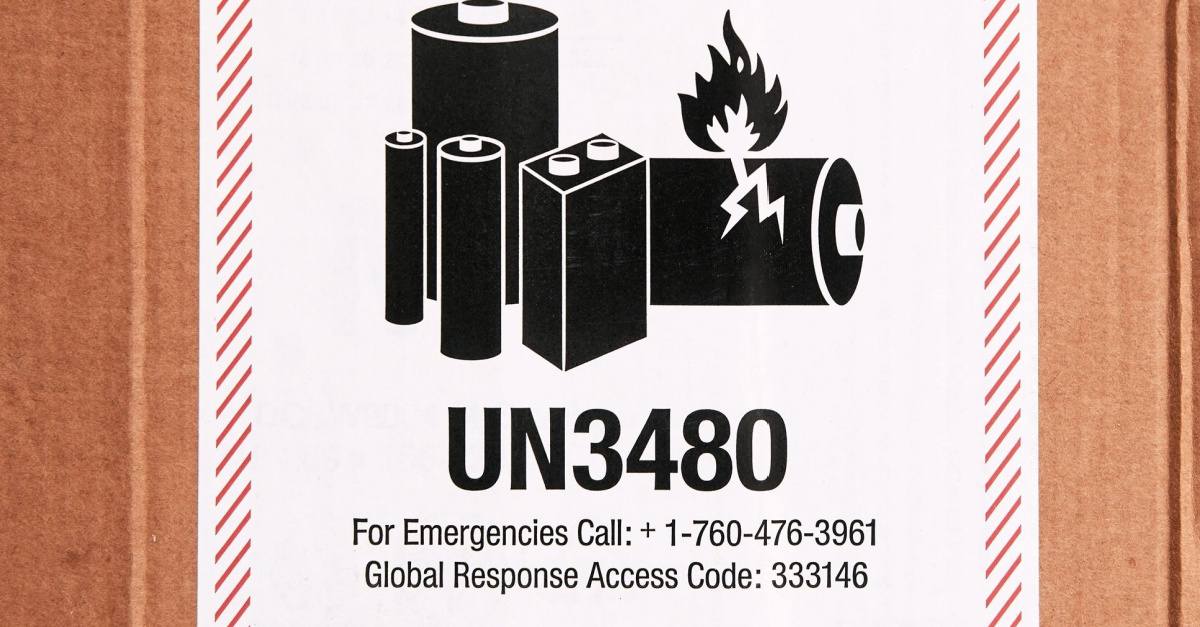
Shipping Lithium-Ion Batteries: UN3480 & UN3481 Regulations
A practical guide to UN3480 and UN3481 for shipping lithium-ion batteries by air, with 2026 IATA DGR updates on state-of-charge limits.