
UN 2814 & UN 2900 Substances Shipping
Dangerous Goods

Safeguarding Public Health: Understanding UN 2814 and UN 2900 Infectious Substances Shipping - Category A
UN 2814
UN 2814 is a United Nations (UN) classification for infectious substances that are known or are reasonably expected to cause disease in humans. These substances can include various biological agents such as bacteria, viruses, parasites, and their toxins. It is important to use the correct shipping name when labeling these materials to ensure that they are handled properly during transport.
These substances are considered hazardous and are subject to strict regulations to ensure the safe handling and transportation of the material. Compliance with the regulations surrounding UN 2814 substances is non-negotiable. Failure to adhere to the proper classification, labeling, and handling procedures can lead to legal penalties such as fines.
UN 2900
UN 2900 is a United Nations (UN) classification for infectious substances that are known or are reasonably expected to cause disease in animals. UN 2900 outlines packaging, labeling, and documentation guidelines for the transportation of these substances.
This classification is used to ensure safe transport and handling of such substances, including viruses, bacteria (salmonella, Escherichia coli, and Clostridium perfringens), parasites (ticks, fleas, and mites, etc.), and other microorganisms (fungi, protozoa, and other pathogens) that can infect animals in a harmful way.
Category A Infection Substances

Due to the high level of risk involved, Category A shipments require strict compliance with regulations and guidelines set forth by the International Air Transport Association (IATA) and the United Nations (UN). Category A includes cultures, or intentionally propagated pathogens such as laboratory stock cultures or presumptive positive diagnostic cultures.
Whether you’re shipping for diagnostic or clinical purposes, or have any doubt as to whether it’s infectious, if your substance falls into the list of these higher-risk substances use Category A.
Labeling
Accurate labeling plays a pivotal role in ensuring the safe handling of UN 2814 substances. The labels should clearly display the correct shipping name, along with any necessary hazard symbols or precautionary statements. The shipping label for UN 2814 infectious substances must include specific information, such as the proper shipping name, UN number, hazard class, and identification number. Additionally, the label must include the appropriate hazard warning, such as "Infectious Substance" or "Biological Substance, Category B."
Shipping Containers
The shipping container for UN 2814 substances must also meet certain requirements, such as being leak-proof and adequately padded to prevent breakage or damage. The container must also be clearly labeled with the appropriate information and warning labels.
Importance of Training
It is important for those handling and transporting UN 2814 and UN 2900 infectious substances to be properly trained and knowledgeable about the relevant regulations and safety measures. Training programs should cover topics such as proper handling techniques, emergency response procedures, and the use of personal protective equipment (PPE).
Unlock seamless shipping solutions for your vital biological substances classified under UN 2814 and UN 2900 with Mercury. Safely transport your valuable cargo and ensure efficient delivery with our trusted expertise. Contact us today to streamline your shipping process.
Start shipping today!
Start your shipment now — no login required. Fast, secure, and guided by experts.
Share on Linkedin
Share on X
Share on Facebook
From our glossary & FAQ

What Is a Pro Forma Invoice?
Learn what a pro forma invoice is, what it includes, and how it supports the sales process. Discover how to create a proforma invoice for smooth transactions.
Read more

What Is an Air Waybill (AWB)?
An air waybill, or consignment note, is a contract among the shipper, airline, and recipient, acting as a cargo receipt and outlining the transportation terms.
Read more

DDP vs. DAP Incoterms
DDU (Delivered Duty Unpaid) and DDP (Delivered Duty Paid) are international trade terms that indicate whether the seller or the buyer is responsible for paying customs duties and taxes.
Read more

Reverse Logistics in Life Sciences
See how reverse logistics streamlines returns, repairs and recalls for healthcare, life science and medical device companies.
Read more
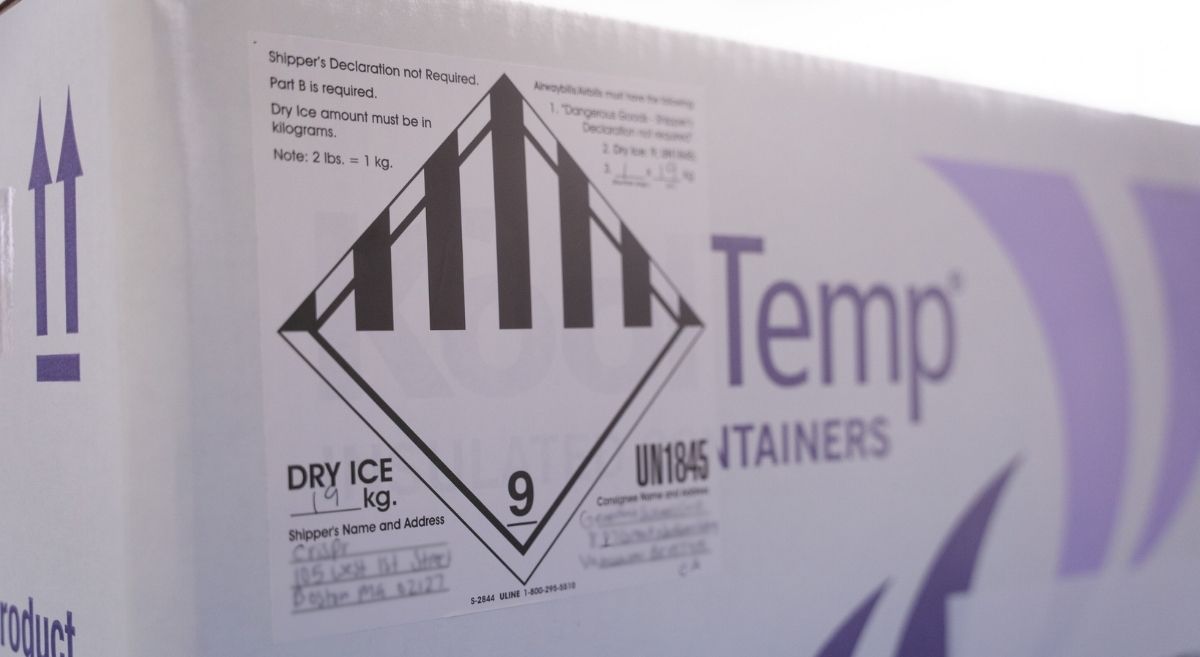
IATA Biological Packaging Guide: PI650, PI620, PI954
Understand PI650, PI620, and PI954 rules for shipping UN3373, Category A infectious substances, and dry ice under the 2026 IATA DGR.
Read more
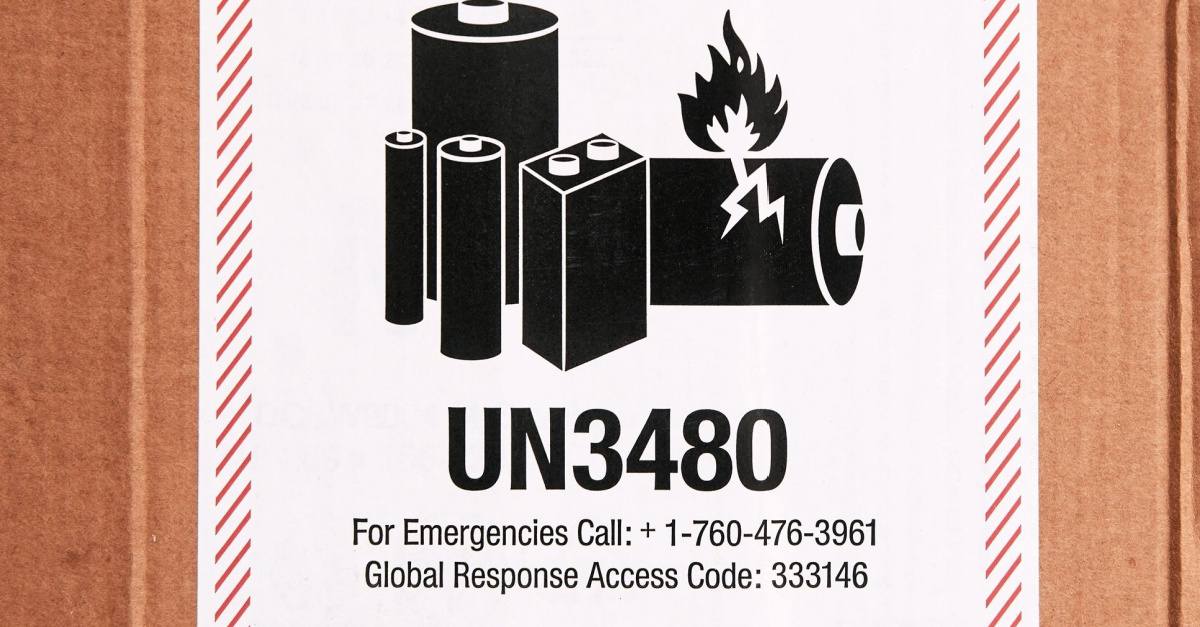
Shipping Lithium-Ion Batteries: UN3480 & UN3481 Regulations
A practical guide to UN3480 and UN3481 for shipping lithium-ion batteries by air, with 2026 IATA DGR updates on state-of-charge limits.