Biosimilar Shipping: Cold Chain Essentials
General
Hybrid Parcel
Courier
Key takeaways
Biosimilars require strict 2°C to 8°C temperature control throughout the entire distribution process
The global biosimilar market continues rapid expansion, with oncology products holding the largest share
Temperature excursions during transit can cause irreversible molecular damage and loss of therapeutic effect
Real-time monitoring and GDP compliance protect product integrity from manufacturing to patient delivery
Strategic logistics partnerships reduce risk and allow pharmaceutical companies to focus on core operations
Selective distribution channels differ significantly from traditional pharmaceutical supply chains
Temperature-Controlled Biologics Distribution
The biosimilar market transforms pharmaceutical distribution worldwide. These complex biological products demand specialized handling that generic drugs never required. Every shipment carries therapeutic value that temperature excursions can destroy within hours. Success requires expertise, infrastructure, and unwavering attention to detail.
Biosimilars replicate the clinical performance of reference biologics at significantly lower costs. They expand patient access to life-saving treatments for cancer, autoimmune conditions, and chronic diseases. However, their molecular complexity creates distribution challenges that traditional pharmaceutical logistics cannot address.
Understanding Biosimilar Products
Biosimilars are biological medicines highly similar to already approved reference products. The FDA defines them as having no clinically meaningful differences in safety, purity, or potency from their reference biologics. Unlike generic drugs that are exact chemical copies, biosimilars cannot be identical due to their complex biological manufacturing processes.
These large-molecule drugs include monoclonal antibodies, therapeutic proteins, and immunomodulators. Their production involves living cell systems that introduce inherent variability. This complexity demands rigorous quality control throughout manufacturing, storage, and distribution.
The distinction matters for logistics planning. Small-molecule generics tolerate broader environmental conditions during transport. These types of products require precision handling at every stage to maintain their therapeutic effectiveness and protect patient safety.
Why Biosimilars Need Selective Distribution
Biosimilars differ fundamentally from small-molecule generics. Large protein structures make them highly sensitive to environmental conditions. Temperature fluctuations trigger aggregation, denaturation, and loss of biological activity.
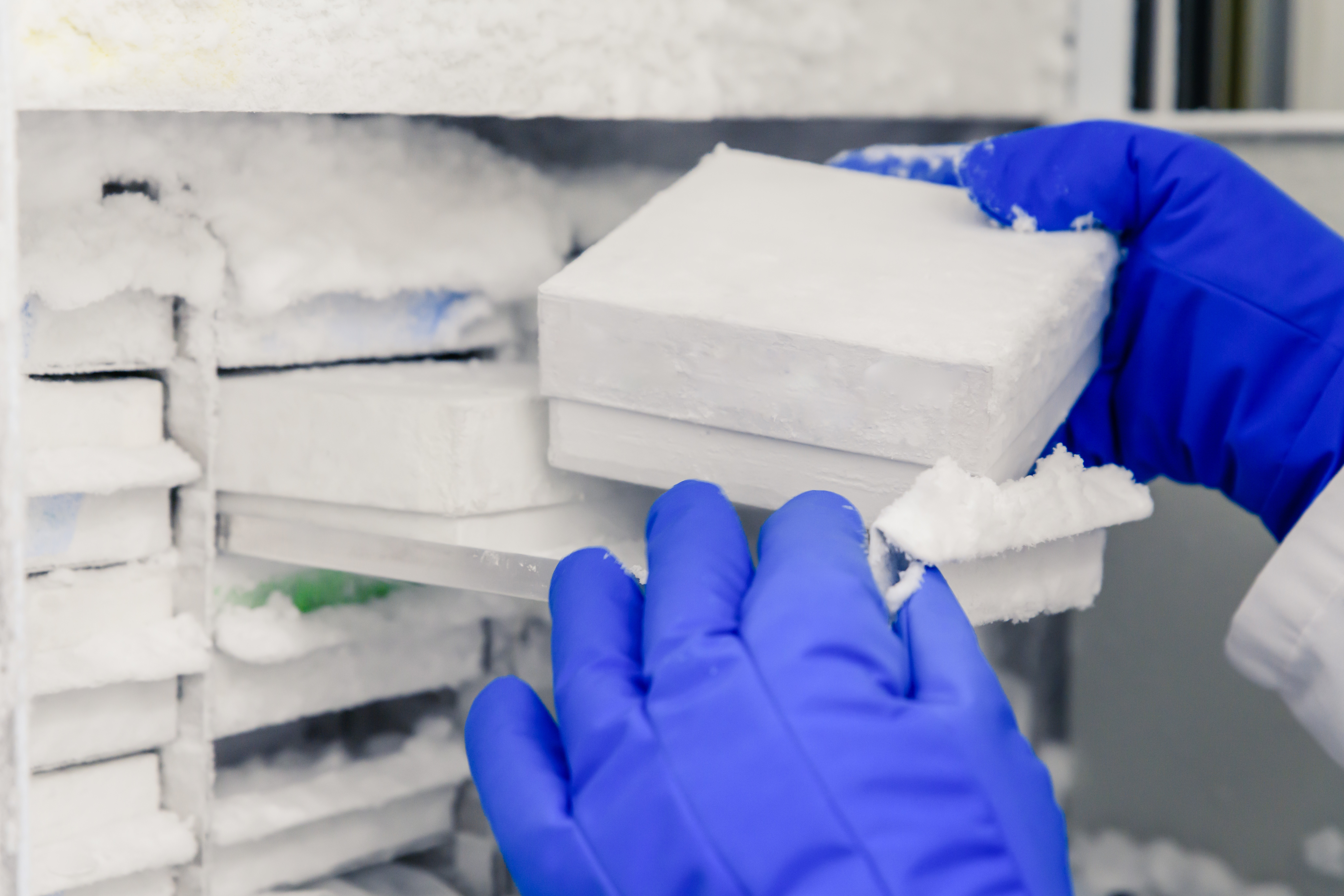
Most biosimilars require continuous refrigeration between 2°C and 8°C from manufacturing through patient administration. Some products need ultra-cold storage at -20°C or below. Any deviation from these ranges compromises product quality and patient safety.
The stakes are significant. Pharmaceutical companies lose approximately $35 billion annually due to temperature control failures during transport and storage. Biosimilar manufacturers face even higher risks because of stringent regulatory requirements and complex production costs.
Selective distribution has become the standard model for these temperature-sensitive products. Unlike intensive distribution through traditional wholesale channels, selective distribution channels maintain validated cold chain infrastructure specifically designed for biological medicines. This approach ensures that only qualified partners handle these sensitive products.
Market Growth Drives Distribution Demand
The biosimilar sector expands rapidly across therapeutic categories. Oncology products currently dominate market share, holding approximately 55% of revenue. Monoclonal antibody biosimilars for trastuzumab, bevacizumab, and rituximab drive this growth.
Immunology and chronic inflammatory disease treatments follow closely. Analysts project this segment will grow at 23% annually through 2030. High prevalence of autoimmune conditions and substantial cost differences from originator therapies fuel demand.
The global biosimilars market reached $35 billion in 2025 and projects long-term growth to over $72 billion by 2035. This expansion creates urgent need for specialized cold chain logistics infrastructure. Distribution networks must scale while maintaining temperature integrity across global supply chains.
Healthcare systems in the United States and United Kingdom increasingly adopt biosimilars to manage costs while maintaining treatment quality. This trend accelerates demand for reliable distribution partners who understand biological product requirements and industry-specific regulations.
Temperature Control System Requirements
Maintaining the cold chain requires validated control systems at every stage. Manufacturing facilities release products into controlled storage environments. Transportation vehicles must hold precise temperatures regardless of external conditions.
Warehouses need redundant cooling systems and backup power generators. Transfer points between vehicles create vulnerability windows that require careful management. Each handoff introduces potential temperature excursions that threaten product viability.
Good Distribution Practice standards govern these requirements across the pharmaceutical supply chain. Regulatory agencies including the FDA and EMA mandate documented temperature monitoring throughout distribution. Non-compliance risks product recalls, regulatory action, and concerns about data protection regulations.
Temperature mapping validates that storage and transport systems maintain required conditions. Qualified equipment undergoes regular calibration to ensure accuracy. These practices protect product integrity while satisfying regulatory inspection requirements.
Cost-Effective Packaging Solutions
Specialized packaging protects biosimilars during transit across varying environmental conditions. Validated thermal shippers combine vacuum-insulated panels with phase change materials to maintain temperature ranges for extended periods.
Active cooling systems provide a high level of control for high-value shipments. These containers regulate internal temperatures using powered refrigeration units. They suit long-distance transport and shipments requiring maximum protection against external temperature variations.
Passive systems offer cost-effective alternatives for shorter routes and predictable transit times. Pre-conditioned gel packs or dry ice solutions maintain temperatures without external power. Selection depends on transit duration, ambient conditions, and product sensitivity requirements.
Packaging qualification ensures systems perform as intended under real-world shipping conditions. Testing protocols simulate worst-case scenarios to validate temperature maintenance capabilities. Proper documentation supports regulatory compliance and quality assurance programs.
Real-Time Monitoring Protects Shipments
IoT sensors transform biosimilar distribution visibility and control. Devices track temperature, humidity, and location throughout transit. Real-time data transmission enables immediate response to deviations before products suffer damage.
Monitoring systems alert logistics teams when conditions approach critical thresholds. Early intervention prevents excursions before products suffer irreversible damage. This proactive approach reduces losses and ensures delivery of viable products to healthcare providers.
Data loggers create audit trails essential for regulatory compliance and quality documentation. Temperature records demonstrate that products remained within specifications throughout distribution. This documentation supports quality assurance programs and satisfies inspection requirements from regulatory authorities.
Advanced analytics help teams stay on top of patterns that predict potential problems. Route optimization considers weather conditions, transit times, and handling points. Continuous improvement strengthens distribution reliability over time through data-driven decisions.
International Distribution Challenges
Cross-border biosimilar shipments face additional complexity beyond domestic transport. Customs clearance delays extend transit times and stress temperature control systems. Different countries impose varying regulatory requirements for biological products entering their markets.
Import documentation must demonstrate product integrity and regulatory compliance for each jurisdiction. Missing paperwork causes holds that jeopardize temperature-sensitive cargo. Experienced logistics partners navigate these requirements efficiently to minimize delays.
Regional infrastructure varies significantly across global markets. Some regions lack adequate cold chain facilities for biological medicines. Distribution strategies must account for these limitations while maintaining product quality standards that protect patient safety.
Trade regulations add another layer of complexity to international biosimilar distribution. Tariffs, import restrictions, and protection regulations change frequently. Staying current with these requirements prevents costly delays and compliance failures.
Regulatory Compliance Across Markets
Biosimilar distribution requires adherence to multiple regulatory frameworks simultaneously. GDP guidelines establish baseline requirements for pharmaceutical handling and storage. Individual markets add industry-specific mandates for biological products based on local regulations.
The FDA enforces strict requirements for products distributed in the United States market. European regulations through EMA set comparable standards for EU member states. The United Kingdom maintains its own regulatory framework following Brexit. Harmonization efforts continue, but significant variations persist across jurisdictions worldwide.
Companies must maintain compliance documentation for every market they serve. Chain of custody protocols track product handling from release through delivery to end users. These records demonstrate regulatory adherence during inspections and support pharmacovigilance programs.
Quality management systems ensure consistent compliance across all distribution activities. Standard operating procedures govern every aspect of biosimilar handling. Training programs keep personnel current on regulatory requirements and best practices.
Building Resilient Networks Against Chain Disruptions
Supply chain disruptions threaten biosimilar availability for patients who depend on these treatments. Weather events, transportation delays, and infrastructure failures create risks that require proactive management. Resilient networks incorporate redundancy and contingency planning to maintain supply continuity.
Multiple routing options allow flexibility when primary paths face obstacles or capacity constraints. Backup storage facilities provide alternatives during emergencies or planned maintenance. Strong carrier relationships ensure priority handling for critical shipments when disruptions occur.
Risk assessment identifies vulnerable points in distribution flows before problems develop. Mitigation strategies address these weaknesses through infrastructure investment and process improvement. Continuous improvement strengthens network resilience over time through lessons learned from each challenge.
Security measures protect high-value biosimilar shipments from theft and diversion. Track-and-trace systems provide visibility throughout the supply chain. These protections safeguard both product integrity and patient safety.
How Mercury Supports Biosimilar Distribution
Mercury delivers specialized cold chain services designed for pharmaceutical and biotech companies shipping temperature-sensitive biological products. Our validated systems maintain temperature integrity from pickup through final delivery to healthcare facilities.
We provide GMP-compliant warehousing with 24/7 monitoring, redundant cooling systems, and backup power generators. Our logistics guides understand biological product requirements and regulatory expectations across domestic and international markets.
They coordinate shipments proactively to prevent delays and temperature excursions.
Real-time tracking gives clients visibility into every shipment throughout the distribution process. Our teams respond immediately when conditions require intervention or route adjustments. This hands-on approach protects product value and ensures successful deliveries to patients who need these treatments.
Unlike providers handling medical devices or general freight, Mercury specializes exclusively in healthcare and life sciences logistics. This focus enables superior customer experience through deep understanding of biological product requirements.
Mercury handles the complexity of biosimilar distribution so pharmaceutical companies can focus on developing and manufacturing the treatments patients need. Our 40 years of healthcare logistics experience translates into reliable products and services that protect your shipments and your reputation in the market.
Partner with Mercury to build a biosimilar distribution strategy that protects your products and supports patient access to affordable biological treatments. Contact our team today to discuss your requirements and discover how our specialized services strengthen your supply chain.
Start shipping today!
Start your shipment now — no login required. Fast, secure, and guided by experts.