Life Sciences Logistics for Biotech Companies

When Research Depends on Getting Logistics Right
Every biological sample, cryopreserved therapy, or research material in the life sciences supply chain carries years of investment. When logistics fail — a temperature breach, a border hold, a missed transfer window — research programs stall and patients wait longer for treatments that already exist.
Mercury provides life sciences logistics for biotech companies, CROs, CDMOs, and pharmaceutical manufacturers. GDP-trained couriers, validated cold chain systems, and a 24/7 control tower protect every shipment while your teams focus on discovery and development.
Mercury's approach goes beyond moving packages. Every shipment generates documentation that satisfies internal quality systems, regulatory auditors, and FDA inspectors — without requiring your team to chase records after the fact.
Life sciences logistics differs from standard freight in one critical way: the product itself determines the logistics requirement. A cell therapy destined for a patient has zero tolerance for handling errors. Mercury builds every shipment workflow around that reality.
Cold Chain Across the Full Temperature Spectrum
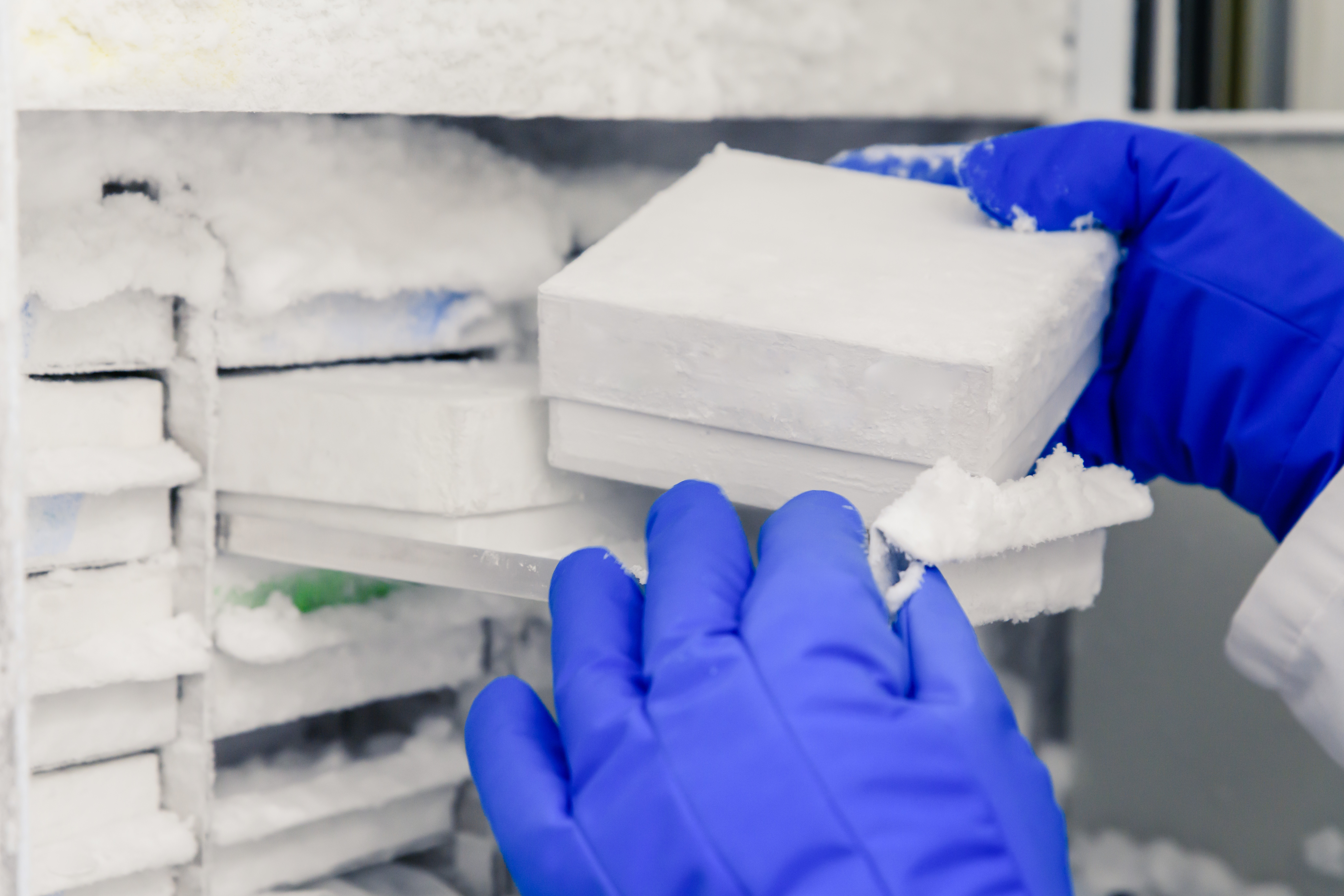
Biotech materials operate across a wider temperature range than almost any other industry. Cell and gene therapies require cryogenic transport at −150°C or below. Biologics and vaccines need refrigerated conditions at 2–8°C. Oral formulations and medical devices ship at controlled room temperature.
Mercury's specialty cold chain network covers every zone: cryogenic (−196°C), frozen (−20°C to −80°C), refrigerated (2–8°C), and controlled room temperature (15–25°C). Each zone uses purpose-built packaging and calibrated monitoring that accounts for transit time, ambient conditions, and dry ice sublimation rates.
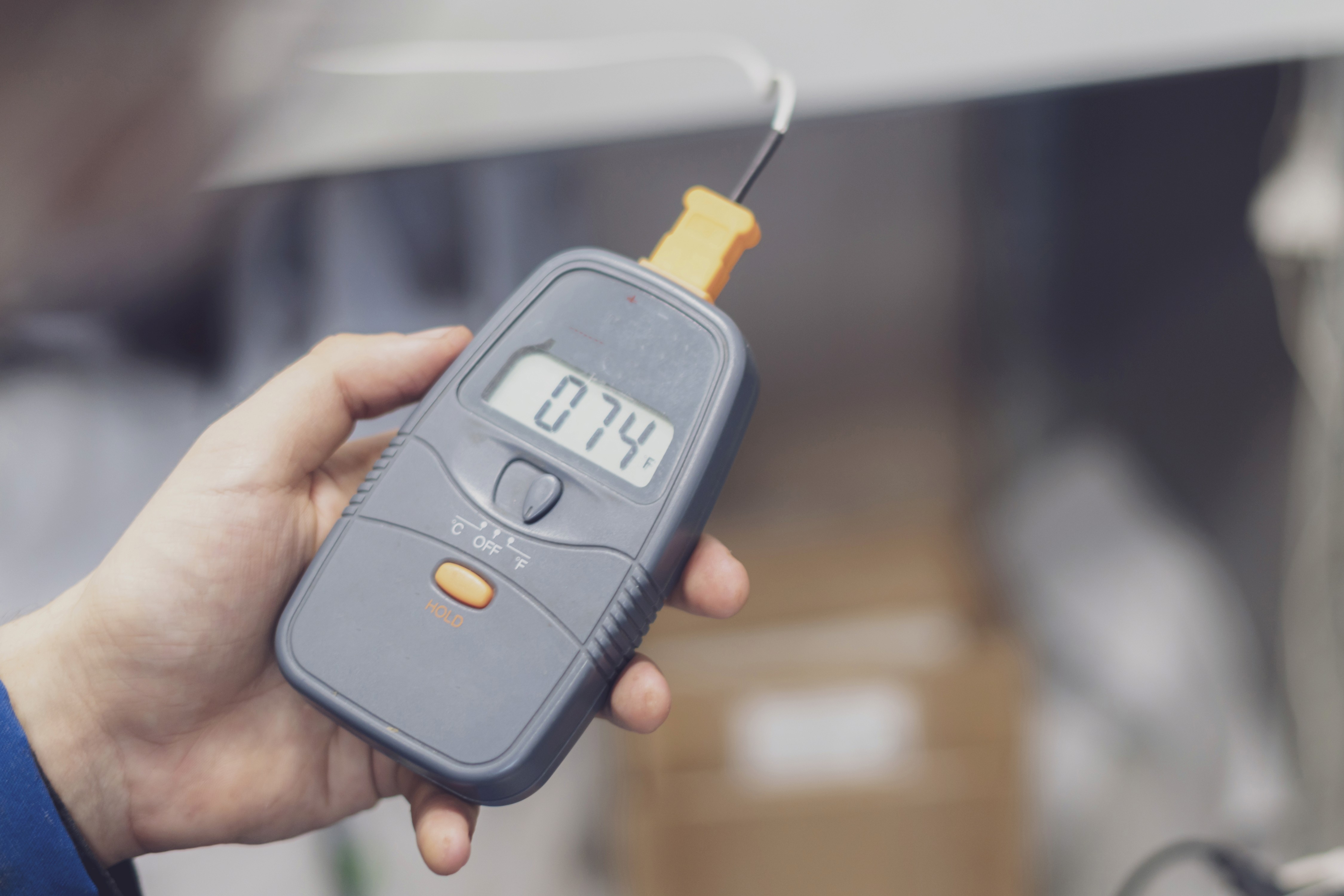
Temperature excursions in biotech logistics carry consequences beyond the shipment itself. A single breach on a clinical trial sample can invalidate data that took months to generate. Mercury's automated alerting triggers when readings approach validated boundaries — not after they have already been exceeded — giving the control tower time to intervene before the product is lost.
For the most critical cryogenic shipments — cell lines, viral vectors, CAR-T therapies — Mercury's onboard courier service places a GDP-trained professional in physical custody of your material from origin to destination, managing dry ice replenishment at every connection point.
Clinical Trial Logistics from Phase I to Commercialization
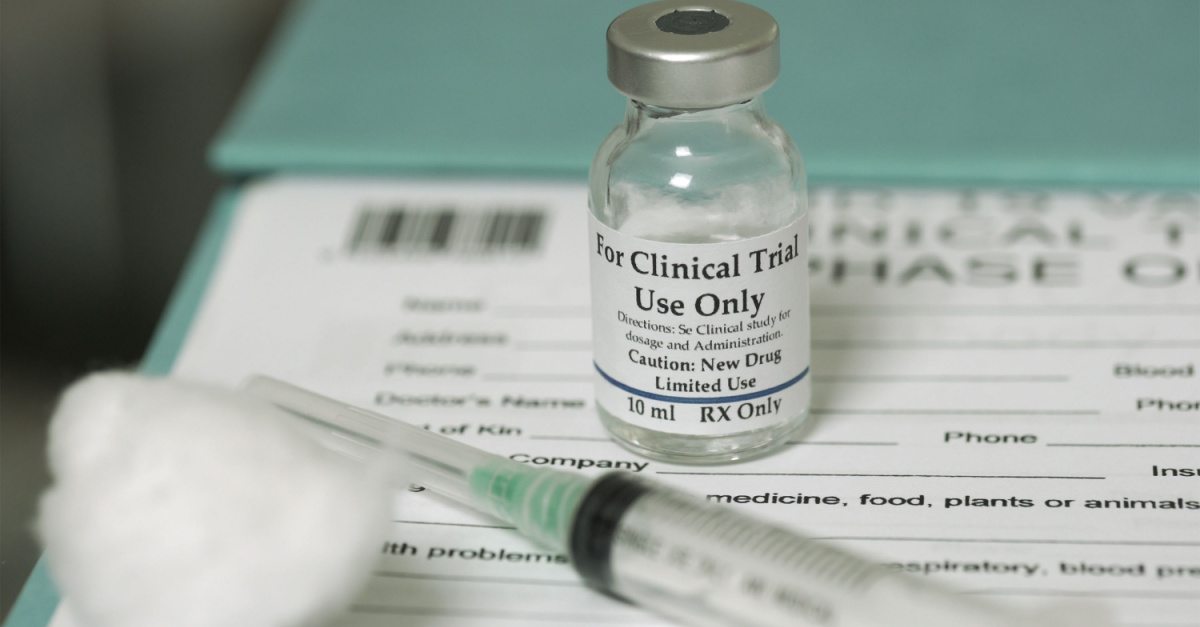
Clinical trials create some of the most time-sensitive, compliance-intensive logistics requirements in life sciences. Investigational products must reach trial sites on schedule, within validated temperature ranges, and with complete regulatory documentation at every transfer point.
Mercury coordinates end-to-end cold chain management for trials at every phase. For decentralized clinical trials, Mercury delivers investigational products directly to participants at home, supporting enrollment retention without requiring patients to travel to a site.
Mercury also manages comparator drug logistics, patient specimen return shipments, and multi-site distribution for global studies — giving sponsors and CROs a single logistics partner across the full trial lifecycle.
As biotech products move from clinical development into commercial distribution, the logistics infrastructure must scale without losing the rigorous control that clinical-stage shipments require. Mercury's commercial life sciences logistics maintains GMP-compliant handling and full traceability at production volumes.

Biological Specimen and Research Material Shipping
Biotech research generates a broad range of shipping requirements — blood, tissue, plasma, RNA, cell lines, reagents, plasmids, and engineered biological constructs. Each material carries specific classification, packaging, and documentation requirements under IATA and DOT regulations that vary by transport mode and destination country.
Mercury handles biological specimen classification and compliance for Category A, Category B, and UN 3373 exempt materials. Whether shipping exempt research samples between domestic labs or infectious substances across borders, Mercury ensures proper triple-packaging, labeling, and documentation so shipments clear carriers and customs without holds.
Misclassification is one of the most common causes of delays and carrier rejections in biotech shipping. Mercury's couriers receive training specific to biological and hazardous materials handling, so shipments reach carriers in the format they require — the first time.
CRO, CDMO, and Research Partner Logistics
Biotech companies rarely work in isolation. Research programs involve networks of contract research organizations (CROs), CDMOs, academic collaborators, and clinical sites. Each relationship creates shipping requirements with distinct timelines, temperature specifications, and documentation standards.
Mercury coordinates logistics across these multi-partner networks, giving your operations team a single point of control for all shipments across collaborators. This consolidation reduces the coordination overhead that fragments timelines and creates documentation gaps in fast-moving research programs.
When a CRO receives materials at irregular hours or a CDMO needs an urgent transfer, Mercury's 24/7 control tower handles the coordination. Your scientists and project managers avoid becoming de facto logistics coordinators for every shipment that moves through the network.
For cross-border shipments, Mercury manages export licensing, HS code classification, and import documentation specific to biological materials and pharmaceutical products. Pre-cleared customs paperwork prevents border delays that can compromise temperature-sensitive materials in transit.
Chain of Custody and Data Integrity
In life sciences, a specimen without a verified chain of custody is scientifically compromised. A therapy without continuous temperature records may fail a regulatory review. Mercury treats documentation with the same precision as physical product handling.
Every Mercury shipment generates complete chain-of-custody records with timestamps, handler identification, and condition data at each transfer point. Temperature monitoring devices produce continuous logs that meet FDA 21 CFR Part 11 standards for electronic records. GPS tracking provides real-time location visibility throughout transit.
All records are stored in tamper-evident systems and available to your quality team for regulatory submissions, agency inspections, and internal audits — accessible on demand without manual retrieval.
This documentation infrastructure also supports reverse logistics — specimen retrieval from clinical sites, return of unused investigational product, and packaging reclamation for reuse. Mercury manages the inbound leg with the same rigor as the outbound, so chain of custody remains unbroken throughout the full shipment lifecycle.
Regulatory Compliance at Every Stage
Mercury integrates Good Distribution Practice (GDP) guidelines across all temperature zones and transport modes. ISO 9001:2015 certification governs every process. DSCSA traceability systems support pharmaceutical supply chain visibility from manufacturer to clinical site or patient.
IATA Dangerous Goods and DOT hazardous materials regulations govern biological specimen transport. C-TPAT compliance supports smooth U.S. import and export processing for time-sensitive biotech materials crossing international borders.
Mercury also maintains GMP-qualified cold chain warehousing for organizations that need compliant interim storage at any stage in the supply chain. Facilities operate across multiple temperature zones with no long-term contracts — giving biotech companies the flexibility to scale storage alongside their pipeline without building their own infrastructure.
Mercury's compliance team tracks regulatory changes in the markets its clients ship into. When trade policies shift or new import requirements take effect, Mercury advises on routing and documentation adjustments before they disrupt active programs.
Life sciences companies at every stage — from early biotech startups to global pharmaceutical companies — operate with logistics requirements that change as their pipeline advances. Mercury scales with those requirements, providing the same level of control and compliance at Phase I as at commercial launch.
For hospitals, pharmacies, and pharmaceutical companies that need hospital courier services and drug logistics, explore Mercury's Healthcare Logistics solutions.