How to Choose a Medical Lab Courier Service
General
Hybrid Parcel
Courier
Medical Lab Courier Services: How to Choose the Right Specimen Transport Partner
When people search for medical lab courier services, they are usually not looking for a generic delivery company. They are looking for a partner that understands what is at stake when a specimen is time-sensitive, temperature-sensitive, or tied to a patient result.
For labs, diagnostic companies, hospitals, and life science teams, shipping is not just about moving a box from one address to another. It is about protecting sample integrity, maintaining visibility in transit, documenting every handoff, and reducing the risk of delays that can disrupt testing or force recollection.
That is why choosing the right medical courier service matters. The best partner does more than pick up and deliver. They help you build a more reliable specimen transport process.
What medical lab courier services include
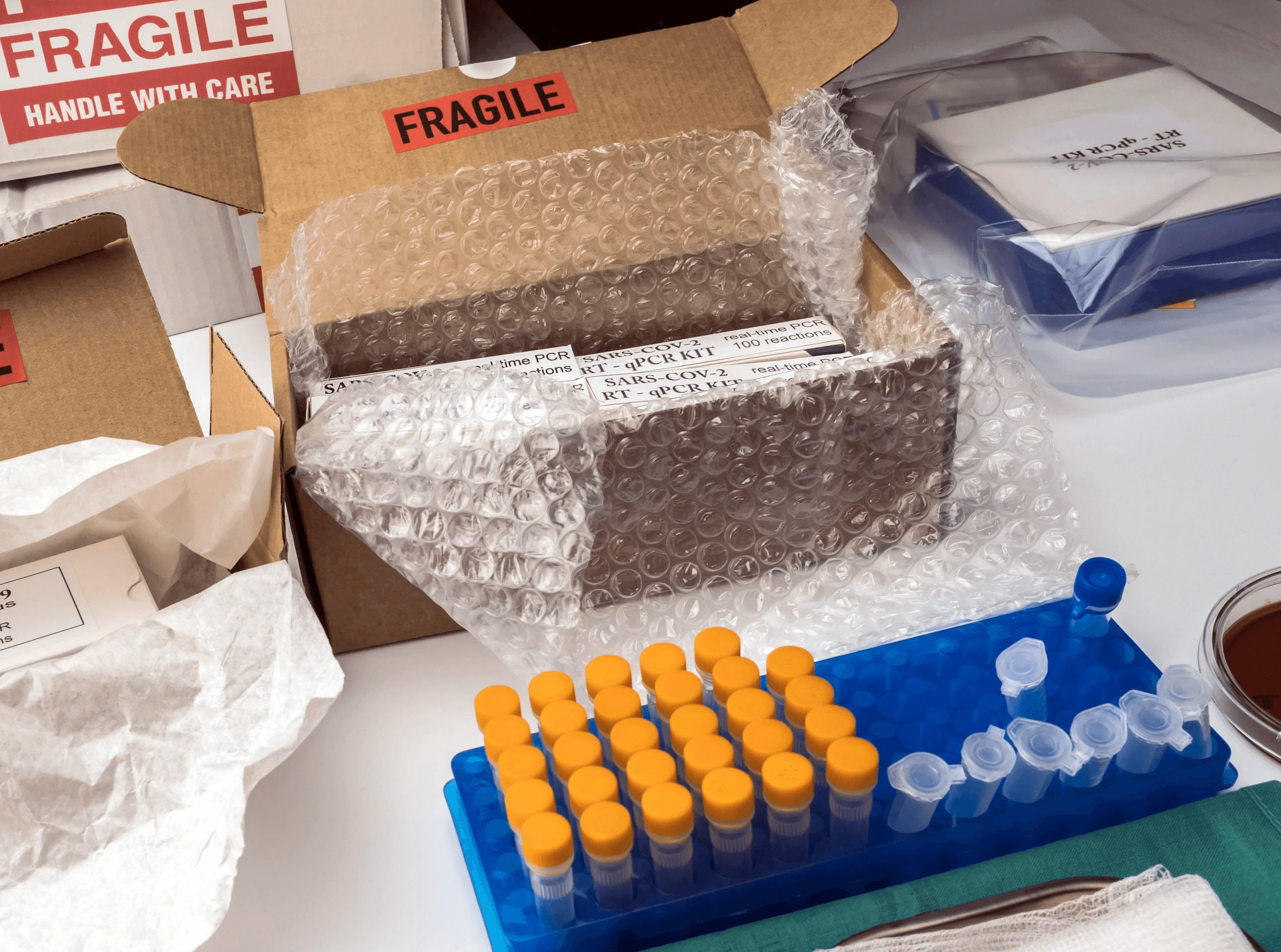
A medical courier service is designed for shipments that require tighter control than standard parcel delivery. That may include biological specimens, diagnostic materials, research samples, medical devices, temperature-sensitive products, or urgent lab supplies.
In practice, medical lab courier services often include:
same-day pickup and delivery
scheduled route service between collection sites and labs
STAT or urgent specimen transport
chain-of-custody documentation
real-time tracking and delivery updates
after-hours or weekend coverage
escalation support when a shipment is delayed or at risk
This matters because lab shipments often have requirements that ordinary courier networks are not built to handle. A routine parcel delivery model may work for noncritical items, but specimens and sensitive medical materials usually need tighter coordination and clearer accountability.
For many organizations, the goal is not simply faster shipping. It is fewer preventable failures.
When same-day courier is better than overnight shipping
Overnight shipping works well for many lab workflows, but it is not always the right choice. When a specimen has a short stability window, when the shipment is high value or difficult to replace, or when a missed delivery could delay care or research, a same-day option gives you more control. Fewer handoffs mean fewer chances for a package to be misplaced or exposed to conditions outside its required range.
For labs moving samples between hospitals, collection sites, and reference labs on tight timelines, that level of control often matters more than raw speed. Learn more about Mercury's same-day courier service and when it fits your workflow.
Why specimen transport is different from standard courier delivery
Specimen transport comes with higher stakes than ordinary package delivery. A delayed office shipment might be inconvenient. A delayed lab specimen can mean unusable material, postponed testing, or the need to recollect from a patient.
That is why specimen transport workflows are usually designed around risk reduction. Teams want to know:
Where the package is
Who handled it
Whether it stayed within the required conditions
Whether it arrived within the needed timeframe
What documentation exists if there is a problem
For that reason, labs often look for couriers that specialize in healthcare or life sciences rather than general-purpose delivery. Specialized providers are more likely to understand specimen handling requirements, escalation procedures, and the importance of communication when something goes wrong.
How chain of custody protects specimen integrity
Chain of custody is one of the most important elements in medical lab courier services. At a practical level, it is the documented record of who handled a shipment, when each transfer happened, and where responsibility changed hands.
That documentation supports more than compliance. It also supports operational confidence.
When a specimen moves from a collection site to a driver, from a driver to an airline or transfer point, and from there to the receiving lab, every handoff creates a potential risk. Without clear records, it becomes much harder to investigate delays, confirm delivery status, or identify where a breakdown occurred.
A strong chain-of-custody process helps labs:
improve accountability
reduce lost or misrouted specimens
support internal quality processes
make audits and investigations easier
build trust with clients, sites, and patients
In short, the chain of custody is not paperwork for its own sake. It is one of the systems that makes specimen transport more dependable.
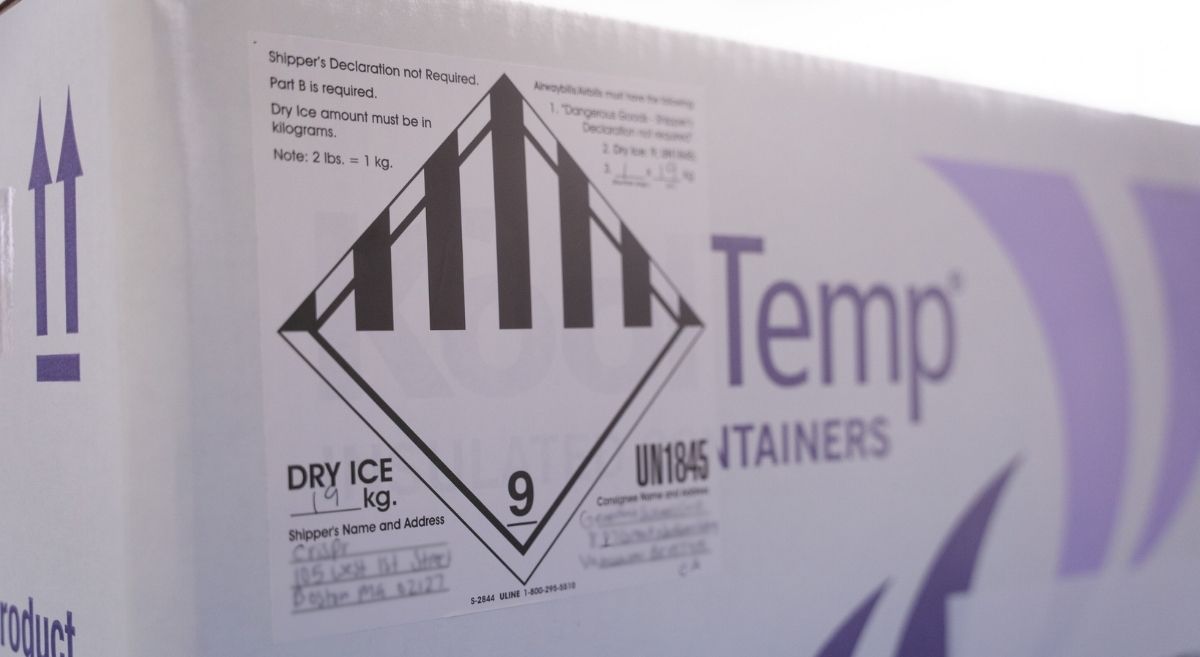
Temperature control is not optional for many lab shipments
Many medical and research shipments are temperature-sensitive. Depending on the material, that may mean frozen, refrigerated, controlled room temperature, or another validated range.
When evaluating a medical courier service, it is important to understand whether the provider can support the temperature profile your shipment actually needs. Speed alone does not protect a sample if the transport conditions are wrong.
A good temperature-controlled courier workflow may include:
validated packaging
coolant selection based on transit time and risk
temperature monitoring devices
contingency planning for delays
dry ice replenishment or intervention support when required
visibility into exceptions while the shipment is still moving
This is especially important for long-distance, high-value, or international shipments, where delays can create more exposure to temperature excursions.
What to ask before choosing a medical courier provider
Not every provider that offers urgent delivery is equipped for medical lab logistics. Before selecting a courier, ask questions that get beyond turnaround time and price.
Here are some of the most useful ones:
Do you handle medical or lab shipments regularly?
Experience matters. A provider that regularly transports specimens, diagnostic materials, and temperature-sensitive shipments will usually have stronger processes than one treating them like ordinary parcels.
What service levels do you offer?
Look for flexibility. Some shipments need a local same-day courier. Others may need next flight out, dedicated vehicle service, or a higher-control cold chain option.
How do you document chain of custody?
Ask what records are captured at pickup, transfer, and delivery. The answer should be clear and operational, not vague.
Can you support temperature-controlled shipments?
If your samples require refrigeration, freezing, or controlled room temperature, confirm exactly how the provider supports that requirement.
What visibility will we have in transit?
Real-time tracking, proactive updates, and clear escalation contacts can make a major difference when a shipment is time-critical.
What happens if there is a delay?
This question often reveals the biggest difference between providers. Some simply notify you when there is a problem. Better partners help solve it.
Can you scale with our workflow?
Your needs may change over time. A good partner should be able to support both routine shipments and urgent exceptions without forcing you into a completely different process.
Signs your current courier setup may be costing you more than you think
Many lab teams stay with a shipping process that feels “good enough” until problems start stacking up. Those problems are not always dramatic. Sometimes they show up as small, repeated failures that waste time and create hidden costs.
Watch for signs like:
Recurring delivery delays
Too many “Where is this package?” calls
Inconsistent proof of delivery
Poor communication during exceptions
Difficulty supporting temperature-sensitive shipments
Too many manual workarounds
Specimens arriving late, warm, or otherwise compromised
When those issues become normal, the organization often pays for them in retesting, recollection, staff time, client frustration, and operational drag.
A stronger medical courier partner can reduce those costs by making the shipping process more visible and more predictable.
Why specialized medical lab courier services matter
For labs and healthcare teams, logistics is part of quality. The courier is not outside the workflow. The courier is part of the workflow.
That is why the best medical lab courier services are built around more than speed. They are built around specimen integrity, chain of custody, communication, and the ability to respond when shipments do not go exactly as planned.
If you are comparing providers, focus on the operational fundamentals:
Reliability
Visibility
Temperature control
Documented handoffs
Escalation support
Experience with medical and lab shipments
A lower-cost option may look appealing at first glance, but the real question is whether that provider helps you reduce risk.
When a shipment is tied to patient care, test results, or critical research, dependable specimen transport is not a nice-to-have. It is part of the job.
Final thoughts
The right medical courier service should help your team do more than move specimens quickly. It should help you reduce uncertainty.
That means better visibility, better handoffs, better temperature protection, and better support when timing matters most.
If your organization is shipping lab specimens, diagnostic materials, or other time-sensitive healthcare shipments, it is worth reviewing whether your current courier setup is truly built for the demands of medical logistics.
Because in lab shipping, “delivered” is not always the same thing as “delivered correctly.”
Need help with time-sensitive or temperature-sensitive specimen transport? Contact Mercury about medical lab courier services built for healthcare and life sciences.
FAQ
What is a medical lab courier service?
A medical lab courier service specializes in transporting specimens, diagnostic materials, lab supplies, and other healthcare shipments that often require tighter handling controls, faster delivery, and better tracking than standard parcel shipping.
When should I use a same-day medical courier?
A same-day medical courier is often the best option when a specimen has a short stability window, when the shipment is urgent or high value, or when you want fewer handoffs and more control in transit.
What is chain of custody in specimen transport?
Chain of custody is the documented record of every handoff during transport. It helps confirm who handled the shipment, when transfers occurred, and where responsibility changed along the route.
Can a medical courier handle temperature-sensitive specimens?
Many can, but capabilities vary. If your shipment requires refrigerated, frozen, or controlled room temperature transport, confirm the provider’s packaging, monitoring, and contingency options before shipping.
What should I look for in medical lab courier services?
Look for experience with medical shipments, real-time tracking, chain-of-custody documentation, temperature-control capabilities, clear escalation procedures, and service levels that match your workflow.
Start shipping today!
Start your shipment now — no login required. Fast, secure, and guided by experts.