Importance of Chain of Custody in Life Sciences Logistics
Biological Specimen

Key takeaways
Chain of custody serves as the documented trail that verifies every handling step in biological specimen transport
Real-time tracking technologies and digital documentation have replaced traditional paper-based systems
Regulatory compliance with FDA, CDC, and DOT requirements protects both patients and research integrity
Temperature-controlled logistics require continuous monitoring to prevent specimen degradation
Strategic logistics partnerships ensure accountability through every transfer point in the supply chain
Understanding Chain of Custody in Life Sciences and Healthcare
Chain of custody represents the documented procedures that ensure accurate and secure handling of transported materials from origin to destination. This comprehensive system guarantees the safety and integrity of shipped items throughout their journey.
Healthcare and life sciences demand this level of control because compromised specimens can invalidate research results, delay patient diagnoses, or breach regulatory requirements. The documentation tracks every person who handles materials, recording dates, times, locations, and conditions at each transfer point. This level of precision proves particularly crucial when transporting biological specimens, where even minor deviations can compromise scientific validity.
Critical Components of Effective Chain of Custody
Digital verification systems have transformed how logistics providers track specimens. Modern platforms use GPS sensors, temperature monitors, and timestamped custody logs to create transparent audit trails. These technologies detect risks as they develop and enable rapid intervention before damage occurs.
Security-sealed containers with integrated sensors now monitor temperature fluctuations, unauthorized access attempts, and location changes. Each handoff requires digital identity verification through secure applications, eliminating gaps in the documentation chain. Automated alert systems notify teams immediately when potential problems emerge, allowing logistics specialists to implement corrective measures before specimens suffer damage.

Regulatory Requirements Shape Modern Logistics
Federal agencies enforce strict standards for biological specimen transport. The FDA requires rigorous environmental control and documentation for pharmaceuticals and biologics. The CDC mandates specific permits for importing infectious biological agents, while DOT regulations govern how materials must be packaged and labeled during transit.
Materials must undergo classification as:
Category A infectious substances for materials that cause serious disease in humans or animals
Category B infectious substances for specimens with lower risk profiles
Exempt patient specimens that still require proper documentation and packaging
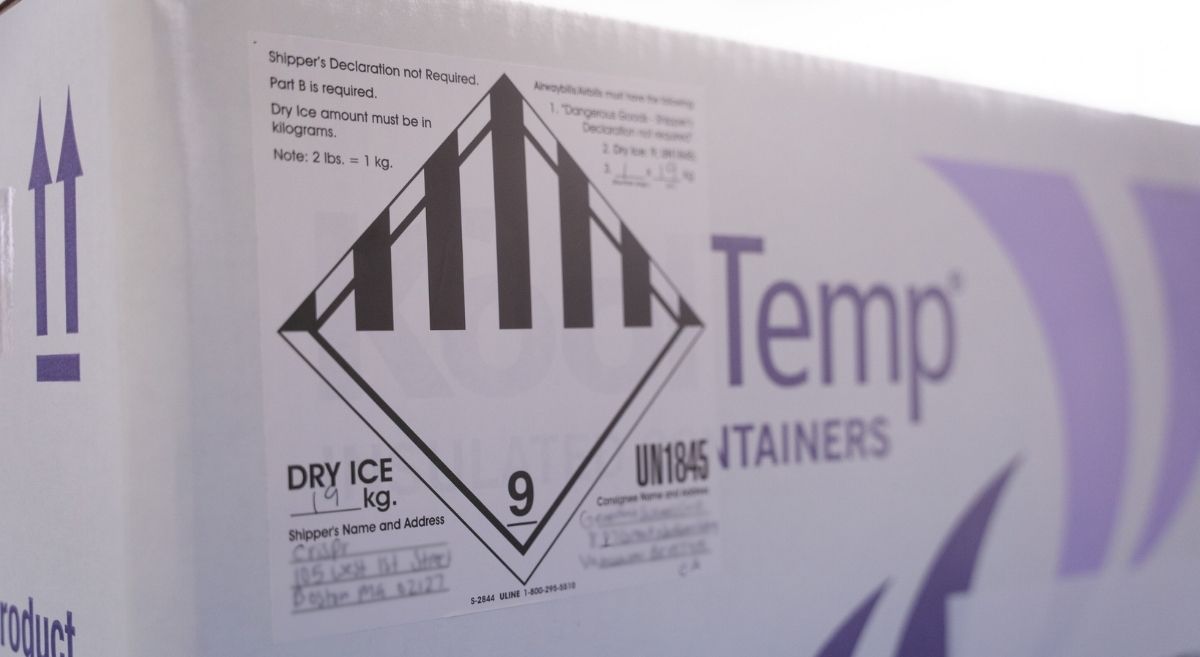
Triple-packaging requirements apply even to exempt materials, using leak-proof primary containers, absorbent secondary packaging, and labeled outer containers. Companies must verify compliance with these federal standards to avoid shipment rejection and legal exposure.
Time-Critical Nature
Life sciences logistics operates under exceptional time pressure. Fresh tissue for transplants, clinical trial materials, and diagnostic specimens often require delivery within 12 to 24 hours. These deadlines leave no margin for error in documentation or handling procedures.
Specialty cold chain solutions maintain required temperature ranges throughout transport. Real-time monitoring alerts teams to deviations, enabling immediate corrective action. This vigilance protects specimen viability and ensures research validity. When minutes matter, having logistics partners who understand the urgency becomes essential to maintaining the chain of custody without compromise.
Strategic Partnerships Strengthen Supply Chains
Single-carrier approaches create vulnerabilities in complex logistics networks. Strategic partnerships provide flexibility through multiple transportation options while maintaining consistent chain of custody standards. These relationships enable carriers to adapt quickly when weather delays, customs issues, or equipment failures threaten delivery schedules.
Professional medical couriers undergo specialized training in regulatory requirements, temperature-sensitive storage, and biohazard protocols. Their expertise prevents documentation gaps that could compromise specimen integrity or legal admissibility. Same-day courier services and next-flight-out options provide critical flexibility for urgent deliveries. This multi-layered approach ensures that even when primary transportation methods encounter obstacles, alternative solutions maintain the unbroken chain of custody.
Technology Enables Proactive Risk Management
Advanced tracking systems collect location data, temperature readings, humidity levels, and shock detection throughout transport. This continuous monitoring supports both immediate alerts and predictive analytics. Teams can identify patterns that indicate emerging risks before specimens suffer damage.
Real-time monitoring capabilities include:
Location tracking that provides minute-by-minute position updates
Temperature sensors recording continuous readings within transport containers
Humidity monitors ensure specimens remain in optimal storage conditions
Shock detection identifies rough handling that could damage sensitive materials
Predictive analytics flagging emerging risk patterns before damage occurs
Cold chain storage and warehousing facilities (https://www.shipmercury.com/shipping-service/cold-chain-storage-and-warehousing) equipped with backup power systems prevent temperature excursions during power disruptions. Round-the-clock surveillance and inventory management systems provide real-time visibility into storage conditions.
Frequently Asked Questions
Why is the chain of custody critical in life sciences and healthcare logistics?
The chain of custody ensures the secure and precise transportation of biological specimens, maintaining their integrity throughout the journey.How does flexibility in delivery times benefit the medical logistics process?
Flexibility allows for adapting to unforeseen circumstances, meeting demands for same-day deliveries without compromising precision.Why choose strategic network partnerships over relying on a single carrier?
Strategic partnerships provide flexibility, avoiding the potential downsides of a single-carrier approach and ensuring adaptability to diverse scenarios.How does clear communication impact the efficiency of the chain of custody process?
Clear communication ensures everyone involved understands the specifics, reducing the risk of errors and ensuring a smooth logistics flow.
Ready to strengthen your chain of custody protocols? Partner with Mercury for reliable, secure logistics solutions backed by over 30 years of life sciences expertise. Contact our team today to discuss how we can safeguard your critical shipments.
Start shipping today!
Start your shipment now — no login required. Fast, secure, and guided by experts.