Pharma Tariffs Are Reshaping Life Science Shipping
General
Key takeaways
Section 301 replaced the Section 122 surcharge on imports from about 60 countries, but pharmaceutical articles are broadly exempt from this specific tariff.
Section 232 imposes a default 100% tariff on patented drugs and APIs listed in the FDA Orange Book or Purple Book, with capped rates for the EU, Japan, South Korea, Switzerland, Liechtenstein, and the UK.
CBP has processed over $134.7 billion in IEEPA refunds, but more than $1.3 billion is stuck because importers have not filed ACH banking information.
A new IEEPA refund phase now covers finally liquidated entries that were previously excluded from the process.
IATA's 2027 Dangerous Goods Regulations bring new UN numbers and packing instructions for lithium and sodium-ion batteries, affecting most cold chain shipments with powered packaging.
If you ship pharmaceuticals, active ingredients, or dangerous goods across borders, the rules changed under your feet this year. Four separate regulatory shifts landed within weeks of each other.
Together, they touch almost every life science shipment moving through US customs or onto a cargo aircraft. Most shippers are only tracking one of these changes at a time.
The teams who come out ahead will be the ones who understand all four and act before the compliance gaps turn into held shipments, missed refunds, or grounded cargo. Here is the full picture.
New Section 301 tariffs replace the Section 122 surcharge
The temporary 10% global surcharge under Section 122 expired, and new Section 301 tariffs took its place on imports from roughly 60 economies (Crowell & Moring).
Rates range from 10% to 12.5% depending on country of origin, and goods from China now face a combined 37.5%. Pharmaceutical articles are broadly exempt from this specific tariff, which is the good news.
Section 232 hits patented drugs and APIs with a 100% default tariff
The harder news sits in Section 232. Patented drugs and active pharmaceutical ingredients listed in the FDA Orange Book or Purple Book now face a default 100% tariff on entry into the US (Foley Hoag).
The European Union, Japan, and South Korea are capped at 15%, Switzerland and Liechtenstein also at 15%, and the UK at 10%. These caps exist because those governments negotiated framework agreements; shippers sourcing from uncovered countries pay the full rate. For more on the EU-specific exemptions, see our US-EU Trade Deal implementation guide.
The tiered rates took effect for large manufacturers first, then extended to every other importer a few months later, closing the gap that smaller importers briefly had to prepare.
A mid-size biotech importing a patented API from a country without a negotiated cap could be paying double the landed cost it budgeted last quarter. If your sourcing list has not been checked against the Orange Book and Purple Book exemption lists, that is the first thing to fix this week.
IEEPA refunds: over $134.7 billion processed, $1.3 billion stuck
On the refund side, there is real money on the table. CBP's CAPE system has processed more than 27 million entries and roughly $134.7 billion in potential and certified IEEPA refunds (Holland & Knight).
A new phase now covers finally liquidated entries, a category that was previously excluded from the refund process entirely. That alone reopens the door for importers who assumed their window had closed.
Over 20,000 refunds, worth about $1.3 billion, are stalled for one avoidable reason: the importer's ACH banking information is missing from CBP's system. CBP cannot send money it has no account to send it to.
If your company has not filed or updated ACH banking details with CBP, you may be sitting on a refund that is approved but unpayable. This is a five minute administrative fix with an outsized payoff, and it is worth checking even if you are not certain your shipments qualify.
IATA's 2027 Dangerous Goods Regulations change battery shipping
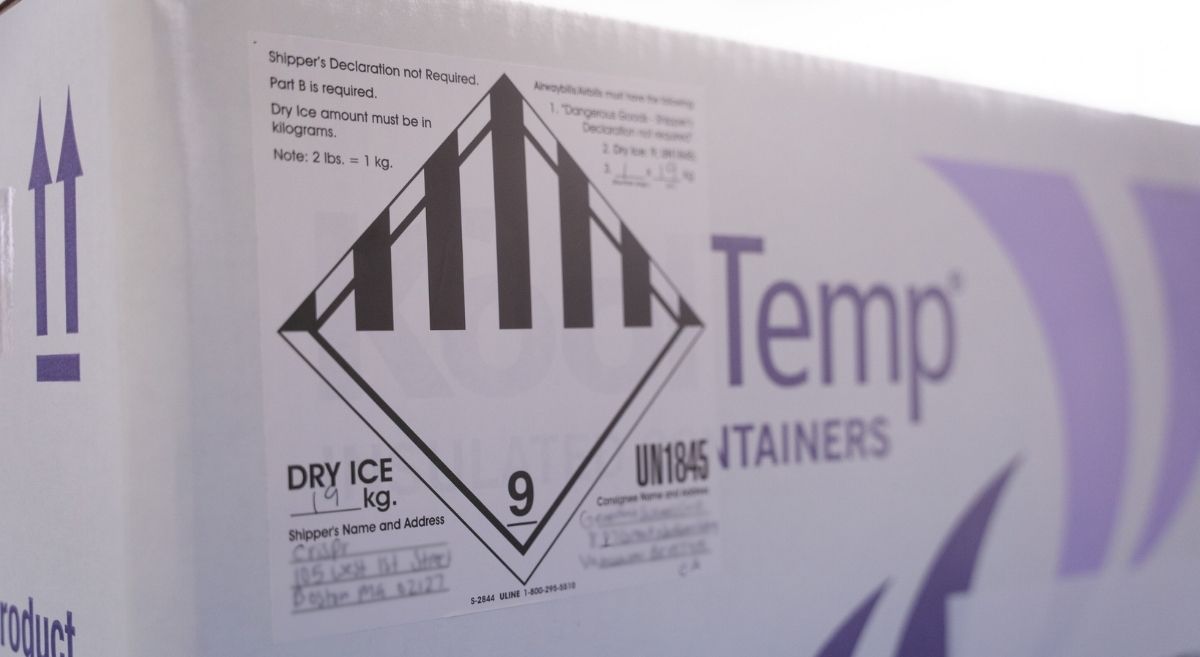
The fourth shift is less about money and more about operational risk. It affects anyone shipping lithium or sodium-ion batteries by air, which includes most cold chain shipments that rely on powered data loggers or battery-backed packaging.
IATA's 2027 Dangerous Goods Regulations introduce new UN numbers and revised packing instructions for these cells (IATA). See our guide to UN3480 & UN3481 lithium-ion battery rules for the current requirements. The transition window is shorter than it looks once internal approval and retraining cycles are factored in.
Shippers, freight forwarders, and packaging teams need updated classification, labeling, and documentation in place before the new rules take effect, not after the first shipment gets flagged at the warehouse door.
Why all four matter together
None of these four changes are optional to track, and none of them resolve themselves. Tariff classification errors trigger penalties and delayed customs clearance that can sideline a shipment for days.
Missed refund windows do not reopen once they close, and dangerous goods non-compliance gets shipments pulled from flights entirely, which is far more costly than the compliance work would have been.
The common thread across all four is simple. Each one rewards shippers who verify their specific product, trade lane, and documentation against the current rules rather than assuming last year's playbook still applies.
Trade policy is moving faster than most internal compliance calendars are built to track, and that gap is exactly where life science shippers are getting caught out this quarter.
How Mercury helps you stay ahead of all four
Keeping pace with four regulatory changes at once is exactly the kind of work that pulls focus away from running your actual supply chain. This is where a logistics partner built for life science shipping earns its place.
Mercury runs every shipment through a dedicated squad that treats tariff classification, refund eligibility, and dangerous goods compliance as a standing part of the job, not a once-a-year review. Shipments are actively monitored around the clock through the Mercury Portal, so a classification question or a documentation gap gets caught before it becomes a held shipment or a missed refund. Mercury supports clinical and commercial drug shipments, clinical trials, and specialty cold-chain logistics across all of these regulatory touchpoints.
If any of the four changes above touch your shipments, a short conversation can tell you exactly where you stand. Contact Mercury's team today to review your tariff exposure, refund eligibility, and dangerous goods documentation before your next shipment goes out.
Start shipping today!
Start your shipment now — no login required. Fast, secure, and guided by experts.