Navigating Common Exceptions in Diagnostic Kitting
General

Key takeaways
Temperature excursions cause $35 billion in annual pharmaceutical losses, with diagnostic kits equally vulnerable to thermal damage
Pre-analytical errors account for 60-70% of all laboratory errors, most occurring during specimen collection and transport
FDA regulations under 21 CFR Part 809 mandate specific labeling, storage instructions, and stability testing for all in vitro diagnostic products
Proactive monitoring and validated packaging prevent kit component degradation before specimens reach the laboratory
Partnering with specialized handlers eliminates common kitting exceptions while freeing diagnostic companies to focus on innovation
Common Exceptions in Diagnostic Kitting: Challenges and Their Impact
In healthcare, diagnostic kitting involves preparing and transporting kits containing essential materials for laboratory testing. Common exceptions arise during this process, creating workflow challenges and impacting patient outcomes. This article identifies frequent exceptions such as mislabeling, incomplete paperwork, and collection delays, discussing how logistics partners like Mercury help organizations navigate these issues.
Understanding Mislabeling
Mislabeling occurs when specimen containers lack accurate information, including incorrect patient details, test identifiers, or missing barcodes.
Research indicates over 160,000 adverse patient events occur annually in the U.S. because of specimen identification errors. Each incident costs an average of $712, creating extra work for laboratory staff and reducing efficiency.
Organizations minimize mislabeling through comprehensive labeling systems, staff training, verification checks, and barcode scanning. Regular audits ensure compliance and reinforce accuracy in diagnostic processes.
Addressing Incomplete Paperwork
Incomplete paperwork represents another common exception. Each specimen must include proper documentation, including requisition forms and consent forms. Missing or incorrect documentation prevents efficient laboratory processing.
Studies show approximately 70% of testing errors occur during pre-analytical phases, many from documentation issues. Hospitals and clinics face longer turnaround times, causing frustration. This undermines patient trust and delays crucial treatments.
Organizations standardize documentation processes using checklist templates and electronic systems that streamline data entry and minimize human error.
Dealing with Delays in Specimen Collection
Delays in specimen collection pose significant obstacles from miscommunication, logistical issues, and inadequate scheduling.
Healthcare systems experience delays exceeding benchmarks by 30-40%, impacting clinical decisions and emergency operations. Compromised specimens produce unreliable results, hindering diagnoses.
Organizations minimize delays through centralized scheduling keeping staff informed. Pre-analytical factors account for 60-70% of turnaround time delays.
Implications for Workflow Efficiency
These exceptions create bottlenecks within diagnostic kitting workflows. Laboratories invest time and resources rectifying discrepancies, reducing operational efficiency.
Studies reveal pre-analytical errors constitute 77.1% of all laboratory errors. Delays in processing directly impact patient care. Held-up results worsen health conditions, potentially creating life-threatening situations.
Healthcare facilities face financial consequences. Median diagnostic delays range from 17 to 54 days, with 43% exceeding one month (https://www.ncbi.nlm.nih.gov/pmc/articles/PMC6711243/). These generate costs through additional testing and extended treatments.
Streamlining the Diagnostic Kitting Process
To enhance efficiency and minimize exceptions, organizations in the healthcare sector can adopt best practices. Standardizing procedures for labeling specimens is crucial. Ensuring that all personnel are well-trained in proper documentation practices can prevent issues related to incomplete paperwork. Furthermore, adopting automated software solutions can streamline data entry processes.
Integrating technology to improve communication between departments is essential. Establishing a single platform for scheduling specimens can reduce delays in collection by providing clear visibility into time-sensitive tasks. When employees are easily connected, potential miscommunications can be quickly remedied.
Optimizing the diagnostic kitting process requires fostering collaboration among all teams involved. Engaging in regular team meetings to discuss workflows can identify potential challenges and allow teams to work together on solutions. This continuous feedback loop helps keep everyone aligned and focused on enhancing efficiency.
The Role of Logistics Providers in Mitigating Challenges
Partnering with a logistics provider like Mercury can significantly aid healthcare organizations in streamlining their diagnostic kitting processes. Mercury possesses extensive expertise in healthcare logistics and understands the unique challenges that arise in this context.
Improved Labeling and Documentation Solutions: Mercury offers tailored solutions to ensure proper labeling practices. The use of technology helps minimize human errors. These solutions are designed to seamlessly integrate with existing systems, enhancing overall efficiency.
Efficient Schedule Management: By leveraging Mercury's logistics platform, organizations gain visibility into specimen collection schedules. This allows for optimized timelines and helps reduce delays. Timely updates on collection status ensure that the laboratory can prepare for incoming specimens.
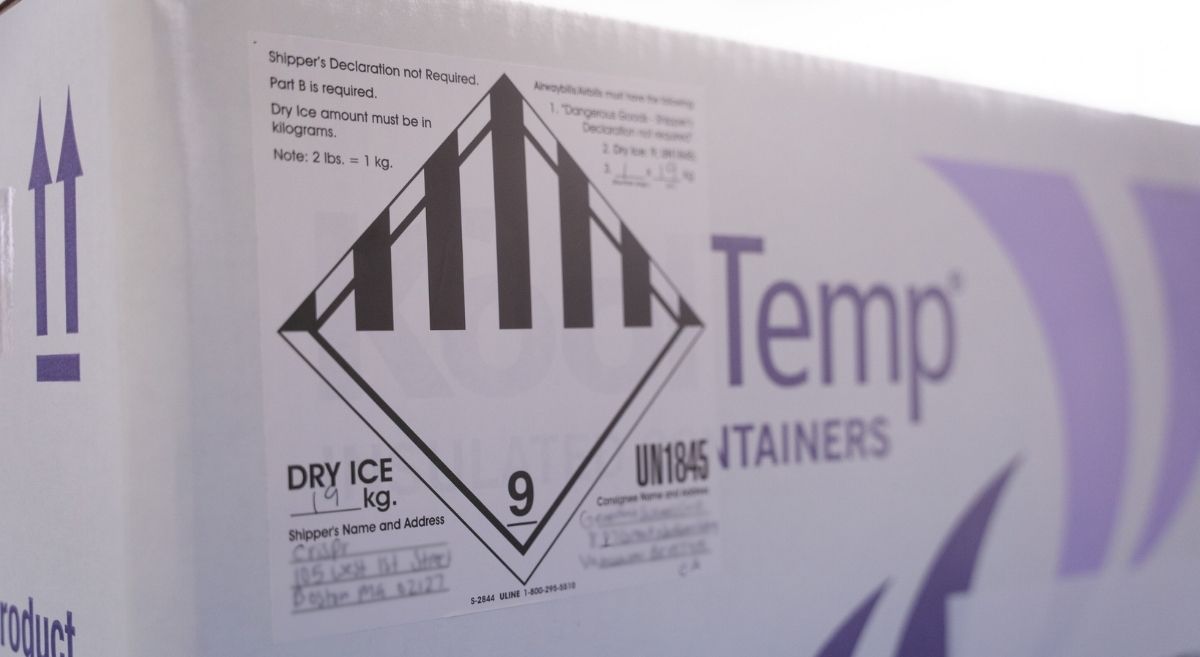
Temperature-Controlled Transport: Mercury specializes in providing temperature-controlled logistics for sensitive specimens. Maintaining specimens within required temperature ranges is crucial to preserving integrity during transit. This includes using appropriate packaging and monitoring equipment for temperature during transportation.
Dedicated Support Teams: Mercury assigns dedicated squads to focus on each client's needs. This personalized approach enhances effective communication and problem resolution. Having a reliable point of contact reduces response times and increases accountability within the logistics process.

How Mercury Can Help
Mercury understands that healthcare and life sciences companies must prioritize their core business—delivering patient care. Partnering with Mercury allows organizations to concentrate on what matters while leaving the logistics complexities to the experts.
With streamlined processes and advanced logistics solutions, Mercury empowers healthcare providers to enhance operational efficiency. By eliminating common exceptions in diagnostic kitting, organizations can devote more time and resources to patient care and improve overall service quality.
Mercury's commitment to understanding the unique needs of its clients translates into logistics solutions that can adapt to changing circumstances. This flexibility proves invaluable as healthcare organizations navigate an increasingly complex landscape.
Conclusion
Common exceptions such as mislabeling, incomplete paperwork, and delays in specimen collection present significant challenges in the diagnostic kitting process. Understanding these issues is crucial for healthcare organizations. The impact of these exceptions not only affects workflow efficiency but can also influence patient outcomes and trust.
By adopting best practices and partnering with logistics experts like Mercury, healthcare organizations can develop effective solutions to mitigate these challenges. Streamlining processes, minimizing errors, and focusing on patient care allow healthcare providers to enhance their effectiveness in delivering high-quality services.
Mercury’s expertise reinforces the importance of collaboration in overcoming challenges inherent in healthcare logistics. By seeking partnerships with logistics providers committed to excellence, organizations can strengthen their operational frameworks and enhance patient outcomes in the diagnostic kitting process.
Contact us today to learn more about how we can assist you in your shipping needs!
Start shipping today!
Start your shipment now — no login required. Fast, secure, and guided by experts.