HS code 3002: human blood, plasma and cell lines
Key takeaways
HS code 3002 covers human blood, prepared animal blood, antisera and other blood fractions, immunological products, vaccines and toxins, and cell cultures.
In the current US schedule, whole human blood sits at 3002.90.52.10 and human blood plasma at 3002.12.00.10.
The older 3002.90.5150 number was a residual "Other" line in the 2021 schedule and was renumbered when the HS 2022 changes took effect.
Human tissue specimens for research or testing generally do not fall in heading 3002, and CBP moved many of them to 0511.99.40.70 in 2024.
Cell lines now have their own group in heading 3002, with 3002.51 for cell therapy products and 3002.59 for other cell cultures.
The tariff code is only one decision. CDC, FDA, USDA and dangerous-goods transport rules are assessed separately.
HS code 3002 is the international tariff heading for human blood, animal blood prepared for therapeutic, prophylactic or diagnostic uses, antisera and other blood fractions, immunological products, vaccines, toxins, cultures of micro-organisms and cell cultures. If you import blood, plasma, serum, monoclonal antibodies or cell lines into the United States, the correct ten-digit number almost always starts with 3002, but the exact line depends on what the material actually is.
The short answer for the most common searches is this. In the current US Harmonized Tariff Schedule (HTS), whole human blood is 3002.90.52.10, human blood plasma is 3002.12.00.10, and cell cultures fall under 3002.51 or 3002.59. Human tissue specimens are a different story and usually belong outside heading 3002. The sections below explain each case, the older code that still circulates online, and the separate permit and transport checks that sit alongside customs classification.
What is HS code 3002?
HS 3002 is a four-digit heading in Chapter 30 (pharmaceutical products) of the Harmonized System, the nomenclature maintained by the World Customs Organization and used by most trading countries. The first six digits are shared internationally. Each country then adds its own digits for duty and statistics. In the United States, the full ten-digit import number comes from the HTS published by the US International Trade Commission (USITC).
The heading text in the current USITC Chapter 30 schedule (Revision 21 of 2026, in effect from October 9, 2026 when this guide was updated) reads, in substance, human blood, animal blood prepared for therapeutic, prophylactic or diagnostic uses, antisera, other blood fractions and immunological products, vaccines, toxins, cultures of micro-organisms (excluding yeasts) and similar products, and cell cultures, whether or not modified. A 3002 HS code search therefore covers a wide range of goods, from a bag of donor plasma to a vial of a research cell line.
How the US schedule splits heading 3002
The table below lists the current US subheadings and statistical suffixes for heading 3002. It is a snapshot of Revision 21 (2026). Always reopen the live schedule before filing, because statistical suffixes can change between revisions.
HTS number | Description in the US schedule | Typical goods to compare against |
|---|---|---|
3002.12.00.10 | Human blood plasma | Source plasma, frozen plasma units |
3002.12.00.20 | Normal human blood sera, whether or not freeze-dried | Pooled human serum |
3002.12.00.30 | Human immune blood sera | Hyperimmune human serum |
3002.12.00.40 | Fetal bovine serum (FBS) | Cell culture supplement serum |
3002.12.00.90 | Other antisera and blood fractions | Other fractions not named above |
3002.13, 3002.14, 3002.15 | Immunological products, unmixed, mixed, or put up in measured doses or retail packings | Monoclonal antibodies, interleukins, interferons |
3002.41, 3002.42, 3002.49 | Vaccines for human medicine, vaccines for veterinary medicine, other (including toxins) | Vaccines, toxins, microbial cultures |
3002.51.00.00 | Cell therapy products | Cell-based therapeutic products |
3002.59.00.00 | Other cell cultures | Research cell lines |
3002.90.10.00 | Ferments | Ferments |
3002.90.52.10 | Whole human blood | Whole blood units or whole blood specimens |
3002.90.52.20 | Antiallergenic preparations | Allergen extracts |
3002.90.52.50 | Other | Residual goods of the heading |
The schedule lists a general duty rate of Free for these subheadings. That column is not the whole story, because additional duties from trade actions can depend on country of origin and change during the year. Mercury's article on how pharma tariffs are reshaping life science shipping covers that layer.
What heading 3002 does not cover
The Chapter 30 legal notes exclude several products that sound similar. Blood albumin not prepared for therapeutic or prophylactic uses goes to heading 3502, and diagnostic reagents of heading 3822 are also excluded. Note 2 defines "immunological products" as peptides and proteins directly involved in regulating immunological processes, such as monoclonal antibodies, antibody fragments and conjugates, interleukins, interferons and certain growth factors. A prepared diagnostic kit that contains human serum may therefore classify as a reagent rather than as a blood fraction. DNA and plasmid material also sit outside this heading, and Mercury's HS 2934 guide for nucleic acids covers them.
What is the HS code for human blood?
The human blood HS code at the six-digit international level is 3002.90 for whole human blood, and 3002.12 for plasma, sera and other blood fractions. In the US schedule, whole human blood is 3002.90.52.10 and human blood plasma is 3002.12.00.10. Normal and immune human sera have their own suffixes under 3002.12.00.
Notice that the heading names human blood without adding a use requirement. Animal blood qualifies for heading 3002 only when it is prepared for therapeutic, prophylactic or diagnostic uses. That difference matters when a shipment contains animal blood collected for research, which may need a different heading and a separate USDA review.
Human plasma HS code and other blood fractions
For a human plasma HS code, start with 3002.12.00.10. Then confirm that the product really is plasma and not a further processed fraction or a finished preparation. Serum, immune serum and other fractions each have their own suffix, and a product that has been formulated into a medicament or a diagnostic reagent may leave heading 3002 entirely. The product specification, not the catalog name, should drive the choice.
HTS 3002.90.5150 human blood components: where the old number came from
Many shipping documents and older web pages still cite HTS 3002.90.5150 for human blood components. That number comes from the pre-2022 US schedule. In the 2021 HTS (Basic Revision 12) Chapter 30, subheading 3002.90.51 carried three statistical suffixes: 10 for whole human blood, 20 for antiallergenic preparations and 50 for "Other". So 3002.90.51.50 was a residual line, not a dedicated line for human blood components.
When the HS 2022 amendments were implemented, the US schedule renumbered that subheading to 3002.90.52 and created separate subheadings for cell cultures. A document that still shows 3002.90.5150 is using a number that no longer exists in the current schedule. Replace it with the current line that matches the actual goods, which for plasma or serum is usually under 3002.12.00 and for whole blood is 3002.90.52.10.
How are blood samples classified?
Blood samples are classified twice. The customs classification assigns a tariff number for entry, and a separate set of checks decides whether the sample needs an import permit and how it must be packed and labeled for transport. Getting one right does not settle the other.
For the tariff side, a blood sample HS code follows the same logic as any other blood product. A whole blood specimen is compared against 3002.90.52.10, and separated serum or plasma against the 3002.12.00 suffixes. If the sample has been mixed with reagents or packed as part of a diagnostic kit, review whether the kit as a whole is a reagent of heading 3822.
For the regulatory side, three US agencies may be involved:
CDC. Under 42 CFR 71.54, importing an infectious substance (material known or reasonably expected to contain an infectious biological agent) requires a CDC import permit. A diagnostic specimen not known or suspected to contain an infectious agent is exempt when it is accompanied by an importer certification statement, except bat or nonhuman primate specimens.
FDA. FDA explains that human blood, tissue or DNA specimens imported only for clinical laboratory testing or basic research are not considered biological products subject to licensure. Its guidance for clinical laboratories and research imports recommends labeling the specimen type and intended use, and says the products become subject to FDA jurisdiction if they are used to manufacture biologics, drugs, devices or HCT/Ps.
USDA APHIS. The APHIS organisms and vectors FAQ states that it does not regulate human diagnostic samples, but animal specimens, fetal bovine serum and cell cultures exposed to livestock or poultry pathogens can need a Veterinary Services permit.
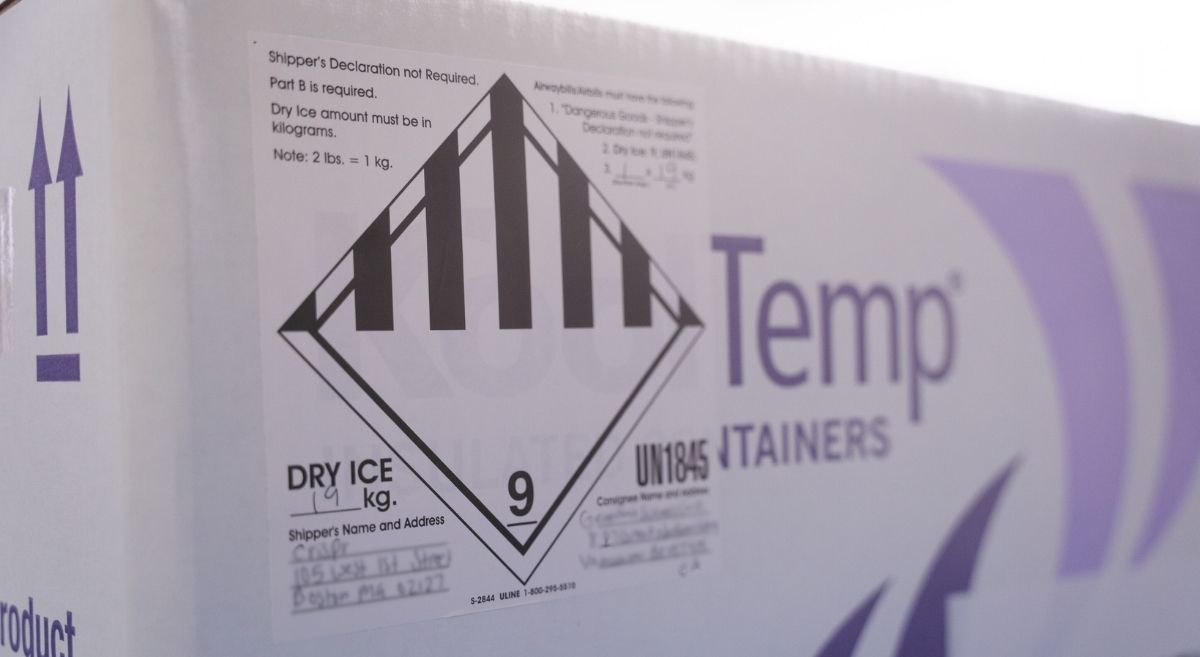
Transport classification is a third and separate decision. A blood sample may be shipped as an exempt specimen, as UN3373 biological substance, category B, or as a category A infectious substance, depending on what is known about the patient and the material. Mercury's guide to shipping UN3373 samples safely and legally covers that decision.
A practical sequence for a blood sample import
Describe the material precisely: whole blood, plasma, serum, dried blood spot or a processed fraction, plus any anticoagulant or preservative.
Choose the tariff line from the current HTS and record the revision you used.
Decide whether the sample is known or suspected to contain an infectious agent, then obtain a CDC permit or prepare the importer certification statement.
Confirm the intended use so the entry can be filed correctly for FDA purposes.
Classify the shipment for transport and pack it to the matching instruction before tender.
Keep the specification, certification and classification notes together in the shipment file.
What is the HS code for human tissue?
Human tissue specimens for research or testing generally do not use heading 3002. A human tissue HS code for samples not prepared for therapeutic or prophylactic uses is now usually 0511.99.40.70, a residual line for animal products not elsewhere specified, which the current schedule lists with a general duty rate of 1.1 percent.
This reflects CBP Headquarters ruling H317142, published in the Customs Bulletin on February 14, 2024. According to a trade report summarizing the ruling, CBP revoked five rulings and modified two others that had placed human tissue samples, human fecal and urine specimens and other human bodily specimens in duty-free provisions such as 3001.90, 3825.90 or 9705.00. From April 15, 2024, those specimens are classified in 0511.99.40.70, and extracted human teeth for dental research moved to 0507.10. CBP reasoned that heading 0511 has a clear history of covering such products.
Tissue that is prepared for therapeutic or prophylactic use is a different case. Heading 3001 covers other human or animal substances prepared for therapeutic or prophylactic uses not elsewhere specified, and Mercury's HS 3001 guide for glands and organs explains that heading. Tissue intended for patient use may be regulated as an HCT/P under FDA rules, and 21 CFR 1271.420 requires the importer of record to notify FDA before or at the time of import so FDA can make an admissibility decision.
Tissue, blood and cells are not interchangeable
A fixed tissue section on a slide, a frozen whole blood tube and a vial of living cultured cells can all come from the same donor and still fall under three different tariff lines. Describe the physical form, processing and intended use on the invoice so the broker does not have to guess. "Human research sample" is not a classifiable description.
What is the HS code for cell lines?
The cell lines HS code sits in heading 3002 under the group "Cell cultures, whether or not modified". In the current US schedule, 3002.51.00.00 covers cell therapy products and 3002.59.00.00 covers other cell cultures. A research cell line that is not a cell therapy product is normally compared against 3002.59.
This structure is relatively new. The 2021 US schedule had no separate cell-culture subheadings, and the 3002.51 and 3002.59 lines first appear in the 2022 edition after the HS 2022 amendments. Older invoices may still carry a 3002.90 number for cell lines, which should be reviewed.
Checks before declaring a cell line
Confirm the shipment is a living or frozen cell culture, not a cell lysate, extract, conditioned medium or a reagent kit, which may classify elsewhere.
Decide whether the product meets the cell therapy description in 3002.51 or belongs in 3002.59.
Check whether the cells are derived from livestock or were exposed to livestock or poultry pathogens, which can trigger a USDA permit.
Check whether the cells could contain a human infectious agent, including residual viral vectors in modified cells, which can trigger a CDC permit.
If fetal bovine serum or culture media travel in the same shipment, classify them as separate lines.
Cell shipments are also time and temperature sensitive. Mercury's live cell shipping guide covers the transit side.
Biological substance HS code vs other classifications
A biological substance HS code is a customs classification only. The same vial can carry a tariff number, a permit status and a dangerous-goods classification at the same time, and each comes from a different authority. The table summarizes who decides what.
Decision | Authority or rule | What drives it |
|---|---|---|
Tariff classification | US HTS, CBP rulings | Material identity, processing, intended use |
Import permit for infectious material | CDC, 42 CFR 71.54 | Known or suspected infectious agent |
FDA admissibility | FDA CBER | Testing or research use versus manufacturing or patient use |
Animal-origin permit | USDA APHIS Veterinary Services | Animal source and pathogen exposure |
Transport classification | DOT, IATA and carrier rules | Infectious substance category, refrigerant, quantity |
The practical takeaway is that a correct HS code does not clear a shipment on its own. Mercury's overview of FDA and USDA regulations in bio-med logistics goes further into the agency side.
Building a classification record that holds up
A short written record makes a classification easier to defend and repeat. For heading 3002 goods, the record should include the product specification, the HTS revision consulted, the reasoning for the chosen line and any ruling relied on. CBP publishes its classification rulings in the searchable Customs Rulings Online Search System (CROSS). When you use a ruling, check that the goods are materially the same and that the ruling has not been modified or revoked, as H317142 showed for tissue.
Recheck the classification when the product changes form, when the intended use changes, or when a new HTS revision is published. A US import number should also not be reused for exports without checking, because exports use Schedule B. Mercury's glossary entry on HS, HTS and Schedule B codes explains the difference, and the broader guide to HS codes for healthcare and life sciences covers related headings, including medical devices.
If the classification is genuinely uncertain, a licensed broker can help prepare the facts and decide whether a binding ruling request is worth the time. Mercury's customs brokerage team handles entries for blood products, cell lines and other biological materials, and its cell and gene therapy shipping service manages the temperature-controlled transport that these shipments usually need.