Key takeaways
Active cold chain logistics maintains precise temperature control using powered refrigeration systems throughout the entire shipment journey
Over 85% of biologics require cold chain management with strict temperature specifications
Real-time monitoring with advanced sensors enables immediate intervention when temperature fluctuations occur
This approach protects irreplaceable items like vaccines, biologics, and critical research samples
IoT sensors and AI-driven analytics enable proactive intervention before temperature excursions occur
Active systems provide superior protection for irreplaceable clinical trial materials and biological specimens
What is Active Cold Chain Logistics?
Active cold chain logistics maintains precise temperature control for products throughout their shipment journey using powered refrigeration technology. This approach encompasses strategic coordination of processes, technologies, and personnel to ensure temperature-sensitive items remain within specified ranges from pickup to delivery.
The practice proves particularly critical when transporting life-saving medications, cell therapies, or research samples. Active systems guarantee safe arrival of these products in optimal condition, protecting investments that often represent years of research and development.
Core Components of Active Systems
Active cold chain logistics operates like a sophisticated machine with interconnected components working in harmony. Specialized temperature-controlled containers equipped with electric cooling technologies form the foundation. These containers actively regulate internal temperatures regardless of external conditions.
Advanced IoT sensors and data loggers monitor environmental conditions continuously. Real-time data transmission enables immediate responses to temperature fluctuations before products suffer damage. The pharmaceutical cold chain market, valued at $6.6 billion in 2025, continues expanding due to increasing biologics production requiring these sophisticated systems.
Modern active containers incorporate vacuum-insulated panels, phase-change materials, and intelligent control systems. These technologies work together to maintain stability even during extended transit periods or unexpected delays.
Proactive temperature-monitoring
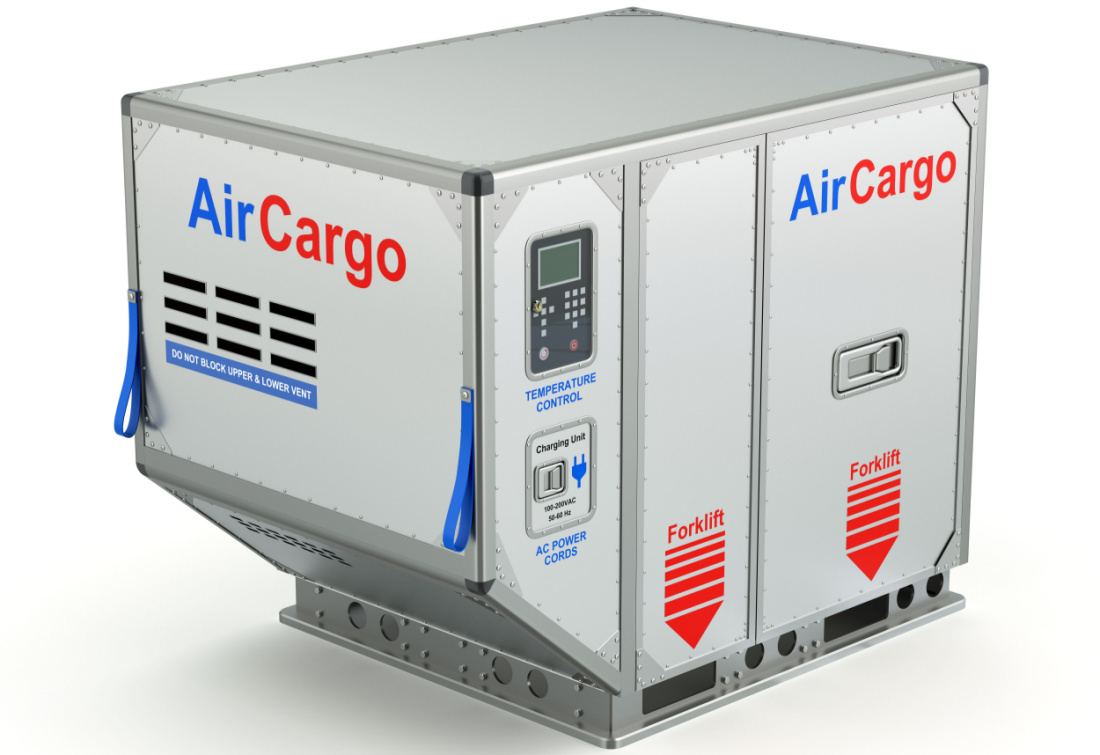
Temperature monitoring serves as the cornerstone of active cold chain logistics. Advanced sensors track every step of the shipment journey, enabling proactive responses to environmental changes. This vigilance ensures products consistently remain within designated temperature ranges.
In health and life sciences fields, even slight temperature variations can render vaccines or samples unusable. Many shipments contain irreplaceable materials from clinical trials. Over 85% of biologics now require cold chain management, with many demanding ultra-cold storage at -20°C, -40°C, or even -80°C while pharmaceutical products require storage between 2°C and 8°C.
Real-time monitoring enables immediate corrective actions when needed. Logistics teams can reroute shipments to avoid extreme weather. Predictive algorithms anticipate potential problems based on route conditions, allowing proactive adjustments that prevent temperature excursions.
Technological Innovations Driving Evolution
Artificial intelligence transforms cold chain operations through predictive analytics and automated decision-making. AI-driven systems analyze historical data patterns to anticipate potential temperature excursions before they occur. Control tower operations staffed 24/7 monitor global shipments using centralized dashboards that aggregate live data from thousands of sensors.
Automation extends to maintenance scheduling for cold storage equipment. Predictive algorithms identify when refrigeration units require servicing, preventing catastrophic failures that could compromise entire inventories. This proactive approach reduces product loss and ensures regulatory compliance.
Sustainability Through Advanced Technology
Cutting-edge technologies significantly bolster sustainability efforts within the healthcare and life sciences industry. Eco-friendly refrigerants, energy-efficient cooling systems, and reusable packaging solutions contribute to more sustainable cold chain operations.
Active systems reduce reliance on single-use materials like excessive dry ice or disposable insulation. Rechargeable battery systems and solar-assisted cooling technologies minimize carbon footprints while maintaining temperature precision. The U.S. pharmaceutical temperature-controlled packaging market, growing from $1.63 billion in 2024 to $2.68 billion by 2034, increasingly prioritizes these sustainable innovations.
Validated reusable shipper programs allow containers to circulate through supply chains multiple times, dramatically reducing waste. Companies can track container lifecycles, schedule refurbishment, and optimize fleet utilization through sophisticated asset management systems.
Potential Challenges with Active Cold Chain Logistics
Challenges form an inherent part of cold chain logistics. Extreme climate zones present significant temperature control challenges, while altitude changes during air transport affect container performance.
Products often transfer between trucks, aircraft, and storage facilities. Each transition creates potential temperature exposure risks. Weather events cause flight cancellations, and equipment failures can strand shipments in unsuitable conditions.
Advanced mechanisms used in active containers lead to substantial costs. However, these costs pale in comparison to the consequences of losing valuable samples or research materials that can set back programs significantly.
The Human Element in Active Cold Chain Logistics
Despite reliance on advanced technology, skilled logistics professionals remain crucial. Logistics guides possess intricate understanding of temperature control complexities during shipments. Their experience informs critical decisions about routing, timing, and contingency responses.
These professionals interpret sensor data within operational context. They recognize normal variations versus concerning trends. Emergency situations require judgment calls beyond algorithmic capabilities where experienced professionals protect product integrity while managing practical constraints.
Training programs keep teams current on emerging technologies, regulatory changes, and best practices. This knowledge ensures that when automated systems flag potential issues, qualified personnel can assess situations and implement appropriate solutions.
Regulatory Compliance and Documentation
Active cold chain logistics must satisfy stringent regulatory requirements. The World Health Organization provides guidance for vaccine transport while pharmaceutical regulatory bodies define requirements for drug shipments.
Automated systems generate continuous temperature records for every shipment. Calibrated sensors ensure measurement accuracy while tamper-evident seals protect data integrity. Regular equipment calibration and validation studies confirm systems perform as intended.
Mercury and Cold Chain Management
At Mercury, we recognize the profound impact that even the slightest temperature variations can have. We offer solutions such as active cold chain logistics to serve as a reliable shield for temperature integrity. Mercury continually seeks to expand our partnerships, providing our clients in the cold chain industry with top-tier products and services. With advanced technology, the expertise of our logistic guides, and our unwavering dedication to our clients, we guarantee that all temperature-sensitive shipments remain under control until their final destinations.
Ready to ensure your temperature-sensitive products arrive in perfect condition? Contact Mercury today to discuss how our active cold chain logistics solutions can support your mission-critical shipments with industry-leading reliability and expertise.
Start shipping today!
Start your shipment now — no login required. Fast, secure, and guided by experts.