Importer of Record (IOR)
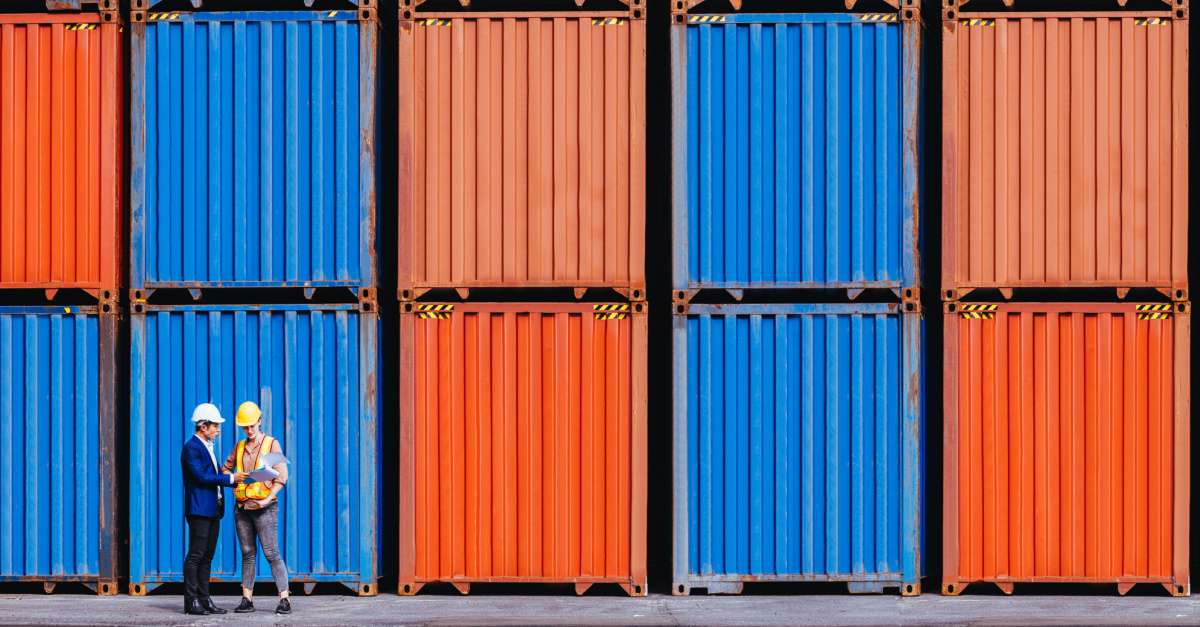
The Importer of Record (IOR) is the individual or entity that holds the responsibility of ensuring the legal importation of goods.
To legally import goods, companies need to appoint an IOR. It's important to choose a reliable and skilled IOR to ensure a trouble-free import process. The IOR can either be a company or a person. It's important to note that the IOR is not necessarily the owner of the goods being imported. The consignee can generally fulfill the role of the IOR.
The Role of an IOR in Importation Process

The primary responsibility of an IOR is to ensure that all goods being imported are in compliance with the legal requirements of the destination country. This includes obtaining all the necessary permits, licenses, and certifications required by customs officials. The IOR is also responsible for paying any applicable taxes, duties, and fees associated with the importation process.
A good IOR can also provide other essential services such as managing logistics and transportation, communicating with customs officials, and coordinating with other stakeholders involved in the importation process. By providing these additional services, the IOR can help to ensure a smooth and efficient import process.
Contact us today if you have questions about IORs.
Please note: Mercury cannot legally be the importer of record; however, we can facilitate brokerage for customs clearance with a Power of Attorney.
From our glossary & FAQ

What Is a Pro Forma Invoice?
What a pro forma invoice is, what it includes and how it supports the sales process, plus how to create one for smooth transactions.
Read more

What Is an Air Waybill (AWB)?
An air waybill is the contract between shipper, airline and recipient. It serves as a cargo receipt and sets out the transport terms.
Read more
DDP vs. DAP Incoterms
DDP vs DAP: two Incoterms that decide whether the seller or the buyer pays import duties and taxes when an international shipment arrives.
Read more

How to Become a Medical Courier: Requirements and Training
What medical couriers in the US need: which requirements come from law and which from companies, what training covers, and how to apply.
Read more

Life science supply chain resilience: how to plan
Life science supply chain resilience: compare supply time with recovery time, then size second sources, safety stock and backup lanes.
Read more

Pharmaceutical cold storage: a requirements guide
Pharmaceutical cold storage has no single temperature or rulebook. See how labels set ranges, which rules apply and how to set calibration.
Read more