Key takeaways
The FDA PreCheck program accelerates domestic pharmaceutical manufacturing through a two-phase regulatory framework that provides early agency feedback.
Manufacturers gain regulatory predictability during facility development, reducing costly late-stage compliance failures.
The pilot program accepts applications from February 1 through March 1, 2026, with initial participants selected by June 30.
Specialized logistics partners like Mercury help pharmaceutical companies maintain product quality and regulatory compliance throughout the supply chain.
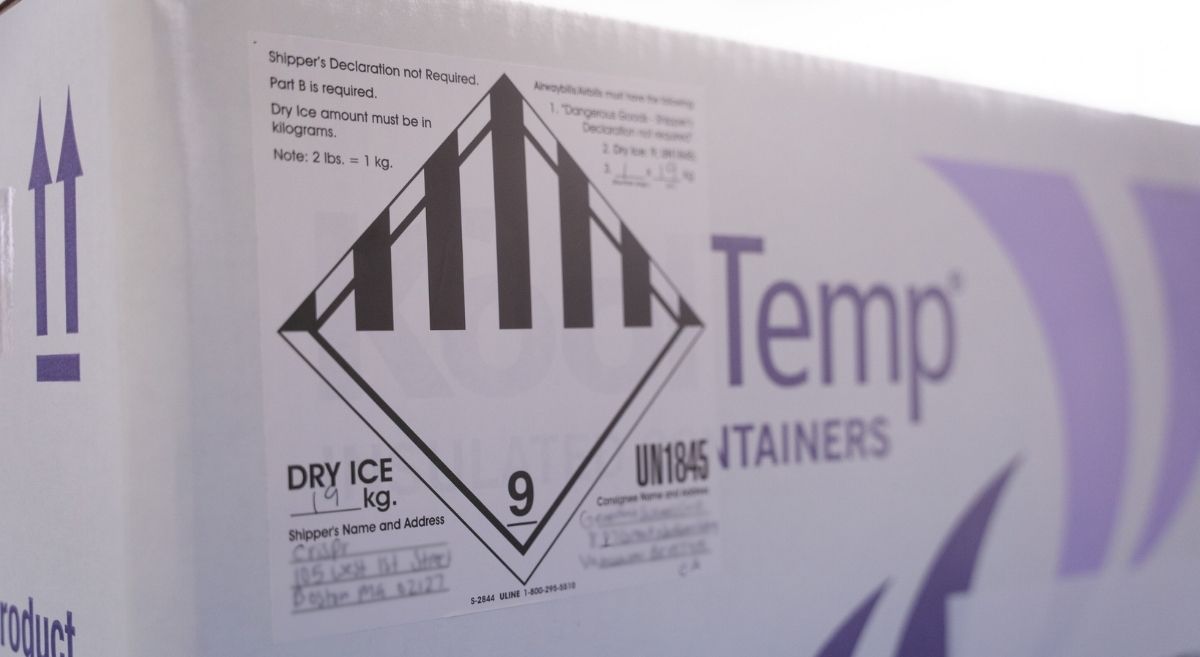
Temperature-controlled shipping services and real-time monitoring protect active pharmaceutical ingredients and biologic products during international shipping and domestic distribution.
Why Domestic Pharmaceutical Manufacturing Matters
America’s reliance on foreign drug administration FDA-regulated facilities creates significant national security risks. Only 11% of active pharmaceutical ingredient manufacturers operate within the United States. Global supply chain disruptions, from pandemics to geopolitical tensions, expose critical vulnerabilities in pharmaceutical production and distribution networks.
Onshoring US manufacturing strengthens control over manufacturing processes, improves product quality oversight, and reduces long-term dependency on overseas suppliers. Companies that invest in domestic operations gain closer proximity to research and development centers, enabling faster innovation cycles for medical products, including medical devices and biologic products.
How the FDA PreCheck Program Works
The FDA PreCheck program introduces a two-phase approach that gives manufacturers earlier, more structured engagement with the agency. This framework addresses a long-term challenge: companies historically invested millions in facility development only to discover compliance gaps during pre-approval inspections.
Phase 1, the Facility Readiness Phase, provides manufacturers with frequent FDA communication at critical development stages. During facility design, construction, and pre-production planning, companies receive guidance on good manufacturing practice requirements and pharmaceutical quality system elements. The agency encourages participants to submit comprehensive facility information through a Type V Drug Master File, covering site operations, quality management systems, and quality maturity practices.
Phase 2, the Application Submission Phase, streamlines Chemistry, Manufacturing, and Controls review through pre-submission meetings and early inspections. This phase resolves potential issues before formal application review begins, reducing delays that historically plagued new pharmaceutical manufacturing facilities.
Pilot Program Timeline and Participation
The FDA began accepting applications for the pilot program on February 1, 2026, with submissions closing on March 1. The agency plans to select finalists by April 1, giving chosen participants one month to provide additional documentation. Final selection of the initial cohort takes place by June 30, 2026. The FDA incorporated extensive industry feedback from its September 2025 public meeting and written comment period into the program design.
Industry stakeholders strongly supported early engagement during facility development phases. Several respondents also requested that PreCheck extend to existing manufacturing facility upgrades and that the agency decouple routine inspections from drug application filings. These requests signal broad enthusiasm for regulatory modernization in pharmaceutical production.
Good Manufacturing Practices cGMP and Quality Standards
PreCheck emphasizes good manufacturing practices cGMP compliance from day one. Manufacturers must demonstrate that planned operations meet current regulatory requirements before breaking ground. This proactive approach protects high-quality standards while accelerating facility development timelines.
Quality management systems form the backbone of every successful manufacturing facility. PreCheck participants document their pharmaceutical quality system elements early, allowing FDA reviewers to identify gaps before they become expensive construction changes. This real-time feedback loop saves manufacturers significant resources throughout the building process.
Logistics Implications for the Pharmaceutical Supply Chain
As domestic production scales up, companies must establish reliable shipping services that maintain strict compliance standards. Temperature-controlled environments protect sensitive drug products, active pharmaceutical ingredients, and biologic products throughout transit. Whether moving materials between research and development labs or delivering finished medical devices to healthcare providers, every shipment demands precision handling.
International shipping remains essential even as onshoring accelerates. Raw materials, reference standards, and specialized equipment still cross borders regularly. Medical device shipping and pharmaceutical logistics require partners who understand both domestic regulations and global compliance frameworks.
How Mercury Helps You Focus on What Matters
Building a new manufacturing facility demands complete focus on construction, equipment validation, and regulatory preparation. Mercury removes the logistics burden so pharmaceutical companies can concentrate on their core business. With decades of experience in healthcare and life science shipping, Mercury provides end-to-end temperature-controlled transportation for every stage of facility development and commercial operations.
Mercury’s dedicated representatives manage shipments from pickup to delivery, providing real-time visibility and proactive issue resolution. Whether you need same-day courier services for urgent clinical materials, next flight out options for time-critical components, or reliable parcel shipping for routine supplies, Mercury delivers the precision that pharmaceutical operations demand.
From shipping biological specimens for pre-clinical research (Biological Specimen Logistics) to supporting clinical trials with validated cold chain solutions (Clinical Trials Support), Mercury’s specialized knowledge ensures your medical products arrive safely and on schedule. Learn more about GMP warehousing best practices on our blog (Your Guide to GMP Warehousing).
Ready to build a resilient pharmaceutical supply chain? Contact Mercury today to discover how our specialized shipping services support your facility development, regulatory compliance, and long-term growth.
Sources
FDA Press Release: FDA Announces New FDA PreCheck Program to Boost U.S. Drug Manufacturing
Arnold & Porter Advisory: FDA Announces New FDA PreCheck Program
Start shipping today!
Start your shipment now — no login required. Fast, secure, and guided by experts.