Key takeaways
Reverse logistics in life sciences covers device repairs, clinical trial specimen returns, and pharmaceutical recalls, not just standard product returns.
Medical device returns require FDA-compliant chain-of-custody documentation at every step.
Returned drug product must be handled under 21 CFR 211.204, the same Good Distribution Practice (GDP) standards used outbound.
IMP shipments and other clinical trial materials need the same cold chain rigor in reverse as they do outbound, across the full range from -80°C to controlled room temperature.
We build reverse logistics programs on the same compliance standards we use for next-flight-out and other time-critical outbound shipments.
What Is Reverse Logistics in Healthcare and Life Sciences?
Reverse logistics covers every step that moves a product backward through the supply chain, from the customer or clinical site back to the manufacturer, distributor, or repair center. In healthcare and life sciences, this looks different from standard retail returns.
It can mean a hospital returning a faulty infusion pump for repair, a lab shipping specimen collection kits back after a clinical trial, or a distributor recalling a batch of temperature-sensitive drugs. We move these shipments with the same planning and compliance rigor we apply outbound, because many carry patient samples, IMP shipments, or other regulated materials.
How Reverse Flows Differ From Standard Returns
A standard consumer return moves through a single, largely unregulated channel. A life science reverse shipment often has to satisfy DEA, FDA, and GDP requirements at the same time, and the paperwork has to match the physical shipment exactly. A missing signature or a broken chain-of-custody record can turn a routine return into a compliance finding.
Reverse Logistics for Medical Devices
We see medical device manufacturers run some of the most demanding reverse logistics operations in life sciences. A device recalled for a safety issue, sent back for repair, or returned after a failed trial has to be tracked, documented, and handled under FDA requirements at every step.
FDA Recall and Chain-of-Custody Requirements
The FDA's recalls, corrections and removals framework sets clear expectations for how a recalled device moves, who signs for it, and how the manufacturer documents disposition. Our team applies the same IATA-compliant packaging and chain-of-custody documentation to a returning medical device shipment that we use outbound.
Getting Repaired and Replacement Units Back Into Service
A reverse logistics partner who understands device workflows reduces the risk of a compliance gap and gets repaired or replacement units back into service faster. That speed matters most when the returning device supports patient care or an active clinical protocol.

Reverse Logistics for Pharmaceutical and Clinical Trial Returns
Pharmaceutical reverse logistics adds its own layer of complexity. Expired stock, damaged shipments, and recalled lots all need to move back through a GDP-compliant chain that keeps temperature control and documentation intact from pickup to disposal or return credit.
Expired, Damaged, and Recalled Lots Under 21 CFR 211.204
FDA's returned drug product requirements require identification, quarantine, and testing before any returned drug can be considered for reuse. We build our reverse pharma workflows around this standard, so a returned lot stays defensible from the moment it leaves the customer's dock.
IMP Shipments and Clinical Trial Materials
Clinical trial sites routinely return unused or expired investigational medicinal product, along with specimen kits, back to the sponsor, CRO, or CDMO. These clinical trial shipments carry the same GCP documentation requirements in reverse that they carried on the way out.
Cold Chain in Reverse: -80°C to Controlled Room Temperature
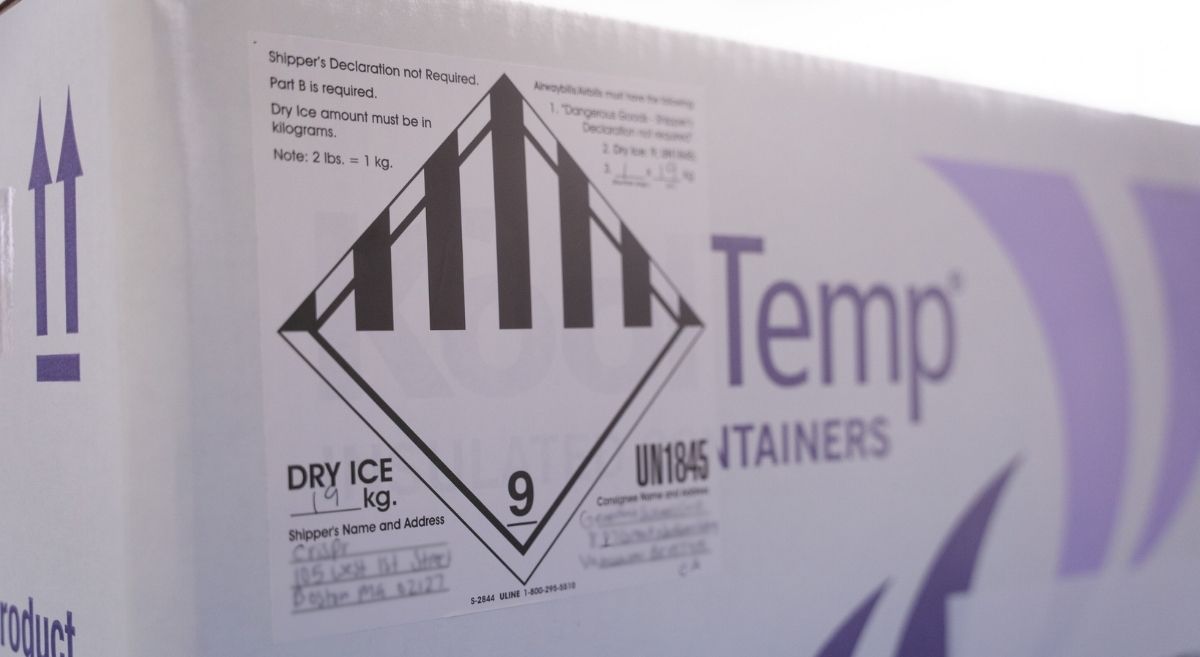
We hold the same cold chain discipline in reverse that we use outbound, across the full -80°C to CRT range, so a damaged or expired drug shipment stays temperature-compliant on its way back.
Why Reverse Logistics Improves Efficiency and Sustainability
A well-run reverse logistics program is not just a cost center. It gives us, and our clients, a clear view of return volume, common failure points, and repair turnaround.
Return Data Feeds Better Forecasting
That visibility feeds directly into better demand forecasting and fewer avoidable returns. Manufacturers who track why a product came back can fix the upstream issue instead of absorbing the same cost quarter after quarter.
Recyclable Packaging and Material Reuse
Reverse logistics also supports sustainability goals. Recyclable packaging, refurbishment programs, and material reuse cut waste and give manufacturers, including medical device and supplement brands, a genuine environmental story to tell. We work this into the same carbon reduction approach we apply across our network.
Finding the Right Reverse Logistics Partner
Reverse logistics in life sciences is not a job for a generalist courier. The right partner combines regulatory knowledge, temperature-controlled capacity, and the tracking systems needed to document a return from pickup through final disposition.
What to Look for in a Life Science Reverse Logistics Provider
Look for a provider who can show you GDP-compliant handling, IATA-compliant packaging, and a chain-of-custody record for every leg of the return, not just the outbound trip. Our guide to selecting a life science logistics partner covers the questions worth asking before you sign.
How Mercury Helps Life Science Companies Manage Reverse Logistics
We build reverse logistics programs around the same compliance and cold chain standards we use for outbound pharma, biotech, and medical device shipments. That consistency is what keeps a return process audit-ready instead of becoming a liability.
Whether it is a recalled device, an expired lot, or a batch of IMP shipments coming back from a trial site, our team handles the chain-of-custody documentation, temperature monitoring, and carrier authorization so your reverse logistics program holds up to the same scrutiny as your outbound shipments.
Sources
Start shipping today!
Start your shipment now — no login required. Fast, secure, and guided by experts.