Train Your Employees on Import and Export Procedures
General

Key takeaways
Comprehensive customs training reduces costly delays, penalties, and compliance violations in international trade operations
Proper employee education on tariff classification, documentation, and valuation prevents common customs clearance failures
Industry-specific training addresses unique regulatory requirements for healthcare, pharmaceuticals, and biotechnology sectors
Strategic logistics partnerships complement internal training by providing expert guidance and proactive compliance support
Why Customs Training Matters for Your Business
Companies engaged in international shipping face increasingly complex regulatory environments. Laws governing cross-border trade evolve constantly in response to geopolitical shifts, trade agreements, and supply chain disruptions. Organizations without properly trained staff risk expensive delays, financial penalties, and damaged customer relationships.
Comprehensive customs training equips teams with the knowledge to navigate regulatory requirements confidently. Your employees learn to classify goods correctly, prepare accurate documentation, and respond effectively to customs inquiries. Research shows that documentation errors cause over 60% of customs delays worldwide. Training programs address these vulnerabilities directly by teaching practical skills your operations team applies immediately.
Key Areas of Focus
The training can cover various topics, from understanding tariff codes and import duties to handling hazardous materials and mastering the documentation required for smooth customs clearance.
Regulatory Compliance
Training should cover the laws and regulations governing international trade, including the roles of various government agencies and international customs organizations. Employees need to understand how agencies like U.S. Customs and Border Protection, the Food and Drug Administration, and the Department of Commerce interact during clearance. Healthcare and life sciences companies face additional oversight for pharmaceuticals, biological specimens, and medical devices.
Classification and Valuation
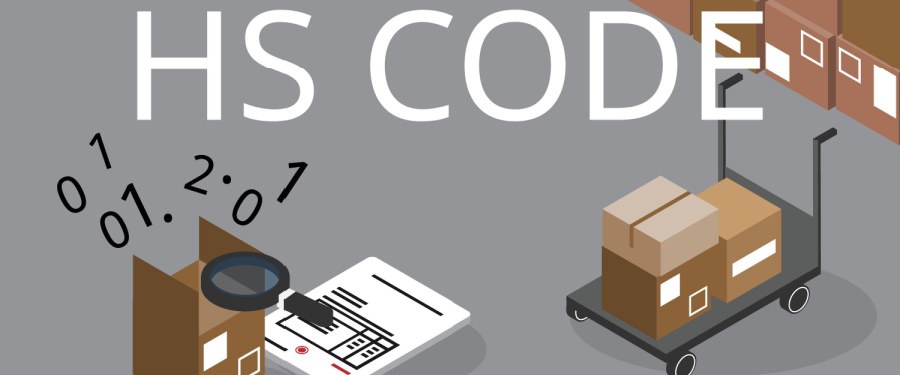
Properly classifying and valuing goods is critical for determining duty rates and ensuring compliance. Training programs should teach participants how to use the Harmonized System (HS) for classification and how to declare the value of goods accurately. The Harmonized Tariff Schedule contains over 17,000 classifications; selecting the correct code requires both training and ongoing vigilance. Valuation training teaches your team to declare goods accurately using transaction value, deductive value, or computed value methods.
Documentation and Procedures
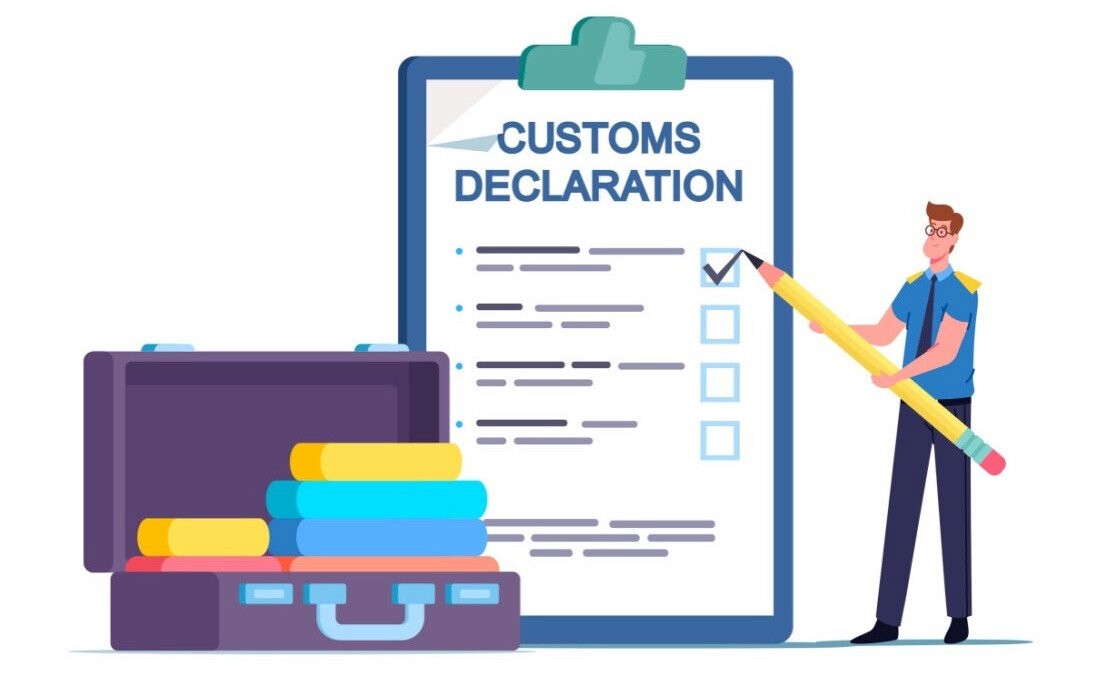
Incorrect or incomplete documentation is a leading cause of delays at customs. Your training should include detailed instructions on preparing and submitting the necessary paperwork, such as commercial invoices, packing lists, and certificates of origin. Teams handling international cold chain shipments need training on temperature excursion documentation, dry ice declarations, and UN dangerous goods classifications.
Customize Your Training
Tailor your training program to address your company's specific needs. Consider factors like:
Industry
Specific regulations may apply to the biotechnology, medical device, and pharmaceutical industries. Pharmaceutical shippers must master Good Distribution Practice requirements, while diagnostics companies need expertise in IVD device classifications. Clinical research organizations benefit from focused training on investigational product shipping and import permits for unapproved drugs.
Geographic Focus
Focus on the regulations of countries you frequently import or export to. Companies shipping to the European Union need detailed knowledge of CE marking requirements and REACH chemical regulations. When trade agreements like the U.S.-Japan Trade Deal create new compliance obligations, conduct focused training addressing those specific changes.
Size of Your Company
Smaller companies may benefit from broader training, while larger organizations might require more specialized training for different departments. Small companies might assign all customs functions to one person, requiring comprehensive cross-functional training. Larger organizations benefit from specialization where classification teams, documentation specialists, and compliance officers each focus on their core responsibilities.
Building an Effective Training Program
Start by evaluating your team's current knowledge level before designing training content. Review the last six months of shipment data to pinpoint recurring issues. If classification errors frequently cause delays, prioritize tariff training. If documentation mistakes create holds, focus on paperwork preparation skills.
Select delivery methods that match your team's learning preferences. Live instructor-led sessions work well for complex topics requiring discussion. Self-paced online modules allow employees to learn during slower periods. Mercury offers customized training programs designed around your operational needs.
Create reference guides that your team consults during daily operations. Document the correct HS codes for your top products. Develop checklists for each country you regularly ship to, listing required certificates, permits, and documentation. Make your training materials immediately applicable to tomorrow's shipments.
Establish processes ensuring your team stays current with new requirements. Subscribe to CBP bulletins, FDA import alerts, and industry association newsletters. Schedule quarterly refresher sessions reviewing recent regulatory changes and lessons learned from shipment issues. Track metrics that demonstrate whether training improves operational performance. Organizations typically see 30-40% reductions in clearance delays within six months of comprehensive training programs.
How Mercury Supports Your Import and Export Success
Mercury's customs brokerage services complement your internal training by providing expert guidance when complex situations arise, handling classification reviews, advance ruling applications, and agency correspondence, so your operations staff can focus on core business activities. We offer pre-shipment consultations that identify potential compliance issues before goods move internationally. Organizations shipping temperature-sensitive materials benefit from our specialized cold chain expertise. We monitor shipments proactively, coordinate dry ice replenishments, and handle carrier exceptions while your staff maintains focus on research, patient care, and product development.
Contact us today to discuss training programs and logistics solutions that accelerate your global operations while ensuring complete regulatory compliance.
Start shipping today!
Start your shipment now — no login required. Fast, secure, and guided by experts.